
shoreLINES: Stories from our guides and guardians
Lake Superior National Marine Conservation Area
shoreLINES is a quarterly newsletter intended to keep our partners and stakeholders informed about Parks Canada's activities and heritage places in Northern Ontario.
Grants and contributions program
By Svenja Hansen and Sarah Rauh
Parks Canada has set aside a portion of the annual budget for Lake Superior National Marine Conservation Area (NMCA) for grants and contributions to external organizations working on projects or initiatives that further Parks Canada’s mandate, as well as the site’s objectives and priorities.
By Liana Hryniewicz
Black ash holds deep cultural significance for the Métis Nation of Ontario (MNO), as was recognized during engagement sessions for the Multi-species Action Plan (MSAP) for Pukaskwa National Park, Fort St. Joseph, and Sault Ste. Marie Canal National Historic Sites. Valued for generations as a source material for traditional weaving and cultural practices, black ash connects people to land, knowledge, and identity. Its inclusion as a priority species in the MSAP reflects both its ecological importance and its role in sustaining cultural traditions.
Cynobacteria – Blue-green Algae
By Svenja Hansen
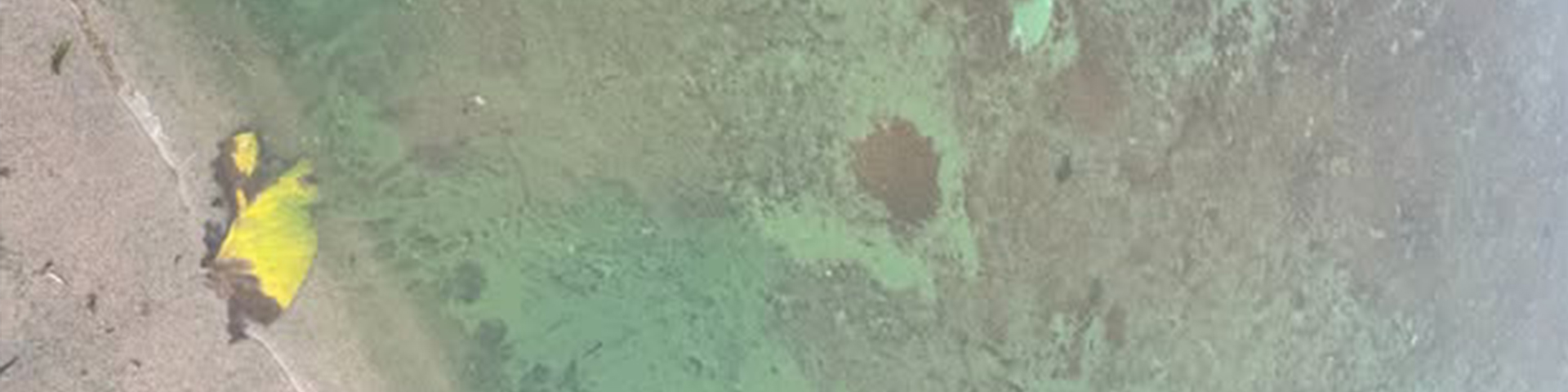
Cyanobacteria, also known as Blue-green algae, are microscopic organisms found naturally in lakes and streams. Usually found in low numbers these bacteria can rapidly increase in warm, shallow, surface water, causing the formation of blooms resembling green pea soup or turquoise paint. One such bloom occurred at Hattie Cove in Pukaskwa National Park during the summer of 2025.
A legacy that continues to bloom
By Elia Marini
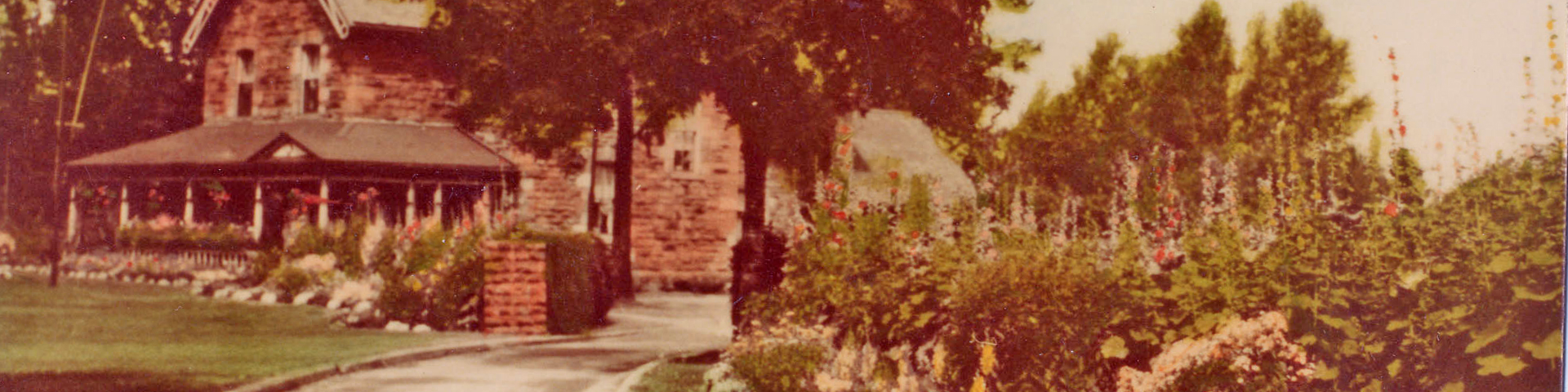
Visitors to the Sault Ste. Marie Canal National Historic Site are often drawn to its colourful flower beds, mature trees, and picturesque grounds. What many may not realize is that these gardens are rooted in a vision which began more than a century ago.
Related links
- Date modified :