
Parks Canada’s Infrastructure Program
S.S. Klondike National Historic Site
What to know before you visit
An extensive rehabilitation and remediation project is underway at the S.S. Klondike National Historic Site. The multi-year project involves improving the sternwheeler’s structural stability, removing lead-containing paint, weatherproofing the vessel, and environmental work to assess soils and groundwater and manage as required. During this time, the boat will not be accessible to visitors.
Progress to date:
- Removed, inventoried and stored artifacts (2023/2024).
- Established construction area, moving equipment and supplies on site (2024/2025).
- Began investigating soil, groundwater and surface water, including the installation of environmental monitoring wells (ongoing since spring 2024).
- Began testing different methods for removing lead-containing paint (ongoing since spring 2024).
- Preparing detailed plans and designs for the structural work (ongoing since spring 2025).
- Lifted the vessel’s 34-tonne boiler to place it on its own supports (summer 2025).
Plans for the remainder of 2025 and 2026:
- Finalize the method that will be used to remove lead-containing paint on the vessel and complete tender process for abatement contractor (fall/winter 2025).
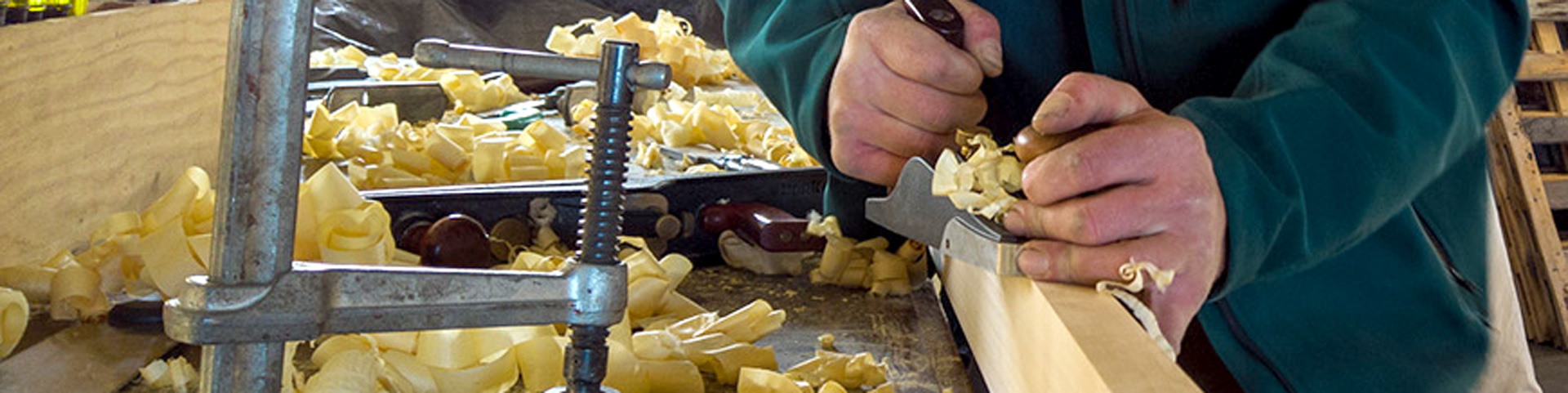
- Mill lumber for first phase of structural rehabilitation (winter 2025/26).
- Prepare decking materials for weatherproofing the vessel (winter 2025/26 and beyond).
- Begin the removal of lead-containing paint (spring/summer 2026).
- Structural rehabilitation of cargo deck (spring/summer 2026).
- Ongoing soil, groundwater and surface water testing and complete assessments, options analysis, and plans for any contamination
We appreciate your patience as we complete this important work. Visitors to the site are reminded to exercise caution, respect all on-site signage, and follow instructions from Parks Canada’s staff or contractors.
Frequently asked questions
Why is this work needed?
When a boat is in use and supported by a body of water, forces applied to the boat are evenly distributed across its structure. The S.S. Klondike was retired from service in 1955 and has been stationary on land ever since, supported by timber cribs, and continuously exposed to the harsh northern climate. Over the decades, its wooden structure has warped, creating gaps that have allowed rain and snow to penetrate. This, along with freeze-thaw cycles, has impacted the integrity of the vessel.
The lead-containing paint on the vessel has reached the end of its life cycle. In the past, lead was commonly used in paint and when left untouched is harmless. Its use is strictly regulated today; the lead-containing paint on the vessel will be replaced with a lead-free alternative.
The environmental monitoring and testing of the surrounding soil and water will ensure the grounds remain safe for visitors. Monitoring and testing will provide insights on possible environmental contamination directly under the vessel from flaking paint and possible contamination across the site from historical activities that occurred before the boat was dry docked there.
Why is it important to conserve the vessel?
The S.S. Klondike was designated as a national historic site in 1967. It commemorates inland water transportation in the Yukon from the 1860s to the 1950s and the role steam-powered river transportation played in connecting the Yukon to the outside world.
A key strategy of the S.S. Klondike National Historic Site of Canada Management Plan, 2022, focuses on the long-term conservation of the S.S. Klondike. This project is essential for ensuring this iconic heritage vessel remains standing and protected from the elements for future generations.
Through infrastructure investments, the Government of Canada is protecting and conserving national treasures administered by Parks Canada, while supporting local economies and contributing to growth in the tourism sector.
How long will the project take?
The project is expected to take several years to complete, with activities ongoing at least through March 2029. The project involves expertise from many internal and external specialists, including shipwrights, carpenters and other assets staff, engineers, and cultural resource management and environmental personnel.
Workers will use many of the same construction and shipbuilding methods that were used to build the original vessel to reinforce areas that are sound, and replace what is decayed or worn, so that this important example of cultural heritage in Canada is here for years to come.
The site has been under construction for the last several years, is this the same project?
Over the past several years, Parks Canada has been addressing urgent concerns by reinforcing and strengthening the S.S. Klondike’s wall frames and deck beams, as well as completing a thorough structural assessment to guide the long-term project.
Several other actions were taken leading up to the long-term project, including:
- In early 2022, the paddlewheel and stern face of the vessel were stripped to bare wood and metal to remove lead-containing paint and then repainted; lead-contaminated soil was removed from the area surrounding the stern of the vessel.
- A-frame supports were put in place to relieve pressure from the weight of the paddlewheel on the cantilever beams.
- Part of the wharf was removed to relieve the pressure from it settling against the boat.
Our local crew of skilled carpenters was also working hard to complete the restoration of the historic Atlin barge, which is now open to visitors once again.
What are all the outbuildings being used for?
The two outbuildings next to the visitor centre house the escape room experience and the theatre. Two additional outbuildings were constructed next to the S.S. Klondike for storage of equipment related to the rehabilitation work, one housing a large, specialized bandsaw called a shipsaw that was moved from Bear Creek near Dawson City and retrofitted for use on this project.
The outbuildings were constructed using material off-cuts from other projects, and once the conservation work is complete, they will be removed from the site and repurposed.
What can visitors do at the site?
Although the vessel is closed to on-board tours, the S.S. Klondike National Historic Site is still the perfect place to spend some time during the visitor season learning about riverboat history in the Yukon. Visitors can enjoy the site grounds, outdoor interpretive exhibits and Atlin barge at their own pace. Check the website homepage for visitor season information and Welcome Centre hours of operation.
For more information:
Natalie Haltrich
Site Manager, S.S. Klondike National Historic Site
867-332-2170
natalie.haltrich@pc.gc.ca
Related links
- Date modified :