
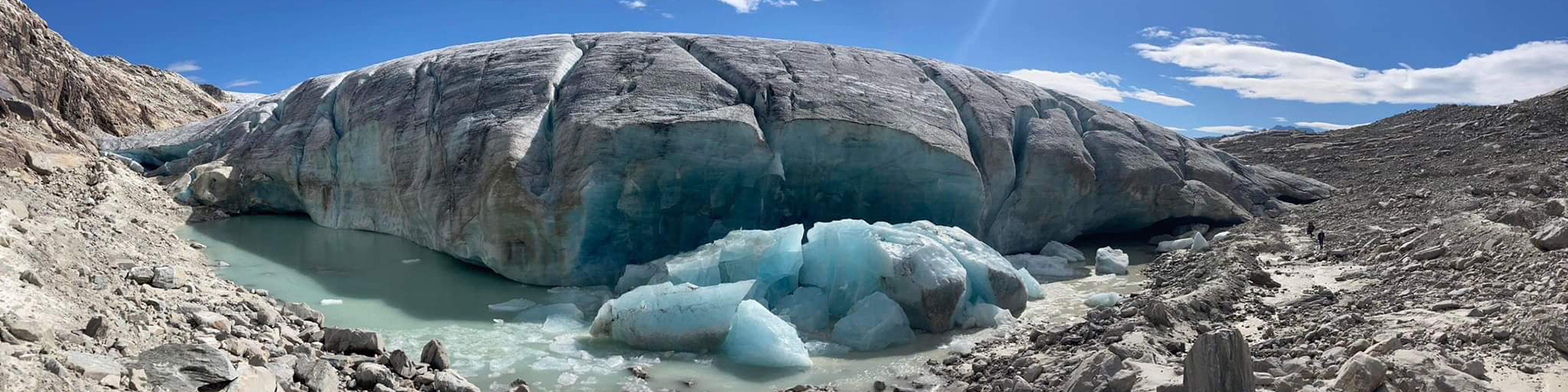
Help monitor glaciers with Icy
Participate in Icy
When you take a photo of yourself, it's a “selfie”. When you snap a glacier, it’s an “Icy”!
Parks Canada, British Columbia Parks, and the University of Waterloo’s GeoReach are launching “Icy”, a citizen science program that invites you to help monitor glacier changes! The program is rolling out in British Columbia and Alberta in two national parks and four provincial parks. More Parks Canada sites might participate in the future. Your photos will support vital scientific research, tracking glacial changes like retreat, thinning, and even disappearance.
Joining this initiative is a great way to support glacier and mountain ecosystem research while learning about the natural world. By taking regular photos of glaciers and surrounding areas, you’ll help track changes over time and uncover patterns like glacier recession. Your data will inform conservation efforts and help make decisions. By taking part in this initiative, you’ll also get access to the collected data, offering a chance to learn more about glaciers in your area!
How Icy works
It’s easy!
- Find an Icy stand: Cell phone cradles have been set up at sites with views of glaciers—stay tuned for more information on Icy stand locations!
- Snap your photo: Follow the on-site instructions and use the cradles to take a photo of a glacier.
- Share your photo: Scan the QR code to submit your photo to GeoReach
Your photos will be analyzed by the University of Waterloo, contributing to a growing dataset that helps track how glaciers are changing over time.
Participating parks
Jasper is the largest national park in the Canadian Rockies. Known for its wildlife, glaciers, and breathtaking peaks, it’s also a hub for important climate change research. Recent data from the Athabasca Glacier shows more ice melt in 2023 than in the past decade.

Located in southeastern British Columbia, this park is home to the towering Selkirk and Purcell Mountains. Research here focuses on glacier recession, with scientists using repeat photography and mass balance measurements to monitor glacial health. Your photos will contribute to this ongoing research.
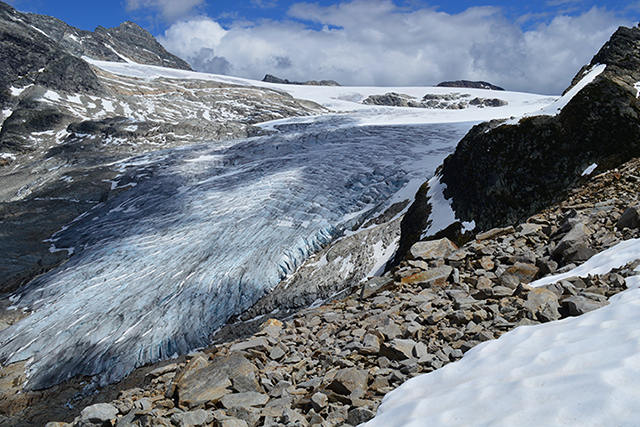
Participating provincial parks
Seven Icy stands will be installed across Mount Robson, Bugaboo, and Garibaldi provincial parks in British Columbia. Stay tuned for more updates from British Columbia Parks and British Columbia Parks Foundation.
About GeoReach
GeoReach is a Canadian-based education platform led by the University of Waterloo that gives citizen scientists the chance to submit data used to create educational materials. By participating, you’ll help develop insights into Canada’s landforms and inspire learners around the world. It’s an opportunity to make a real-world impact, right from your smartphone!
Celebrate the international year of glaciers' preservation in 2025 with Icy
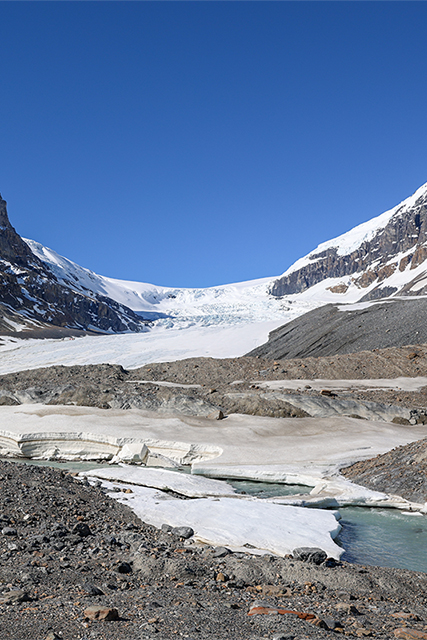
"2025 is the United Nations' International Year of Glaciers' Preservation — an exciting opportunity to explore the beauty and significance of glaciers. With the Icy initiative, you can directly connect with glaciers in Canada’s mountain parks and help scientists track their changes."
Find out more:
- Date modified :