
Jasper National Park of Canada, Annual Report 2025
Jasper National Park
Introduction
This annual report shares the highlights of Parks Canada’s work in Jasper National Park in 2025.
In 2025, Jasper National Park welcomed visitors from near and far. The “Canada Strong Pass” granted free admission and discounted camping over the summer and winter holiday periods, giving Canadians and international visitors the chance to discover and enjoy our shared cultural and natural heritage.
On the landscape, new growth is emerging in the areas burned by wildfire in 2024 and in town, houses and businesses are being rebuilt. Each new seedling on the landscape, and each building foundation poured is an uplifting signal of moving forward and speaks to the resilience of the landscape and the people who call Jasper home.
This report follows the structure of the Jasper National Park of Canada Management Plan (2022) and reports on progress in six key strategies and two management areas:
Introducing Jasper’s new Field Unit Superintendent
In the fall of 2025, Geneviève Caron stepped into the role of Field Unit Superintendent, responsible for Jasper National Park and Fort St. James National Historic Site. Geneviève brings more than 25 years of leadership experience in both the private sector and federal public service and was most recently Field Unit Superintendent for La Mauricie and Western Québec. Geneviève looks forward to connecting with park visitors, community residents, Indigenous partners, businesses and stakeholders as we work together on Jasper’s ongoing recovery.
After 10 years of service to Jasper National Park, outgoing Field Unit Superintendent Alan Fehr retired in April 2025. Parks Canada thanks him for his leadership and wishes him well in the years ahead.
Strategy 1: Conserving natural and cultural heritage for future generations
Southern mountain caribou recovery
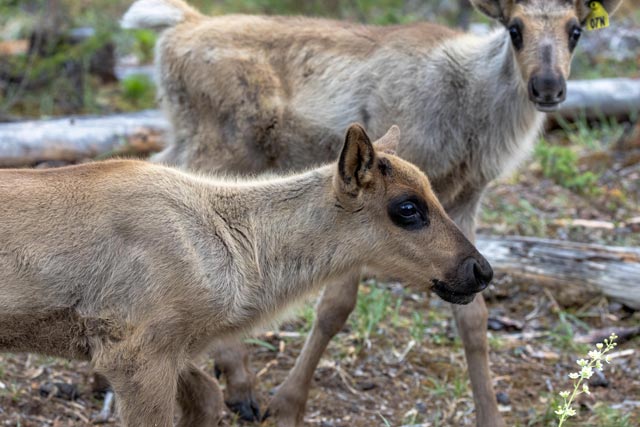
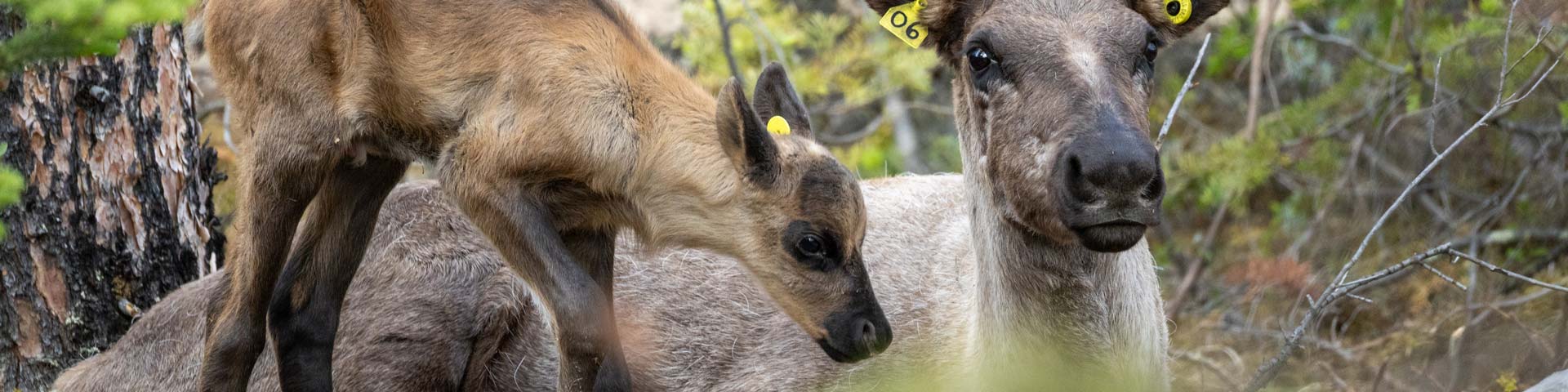
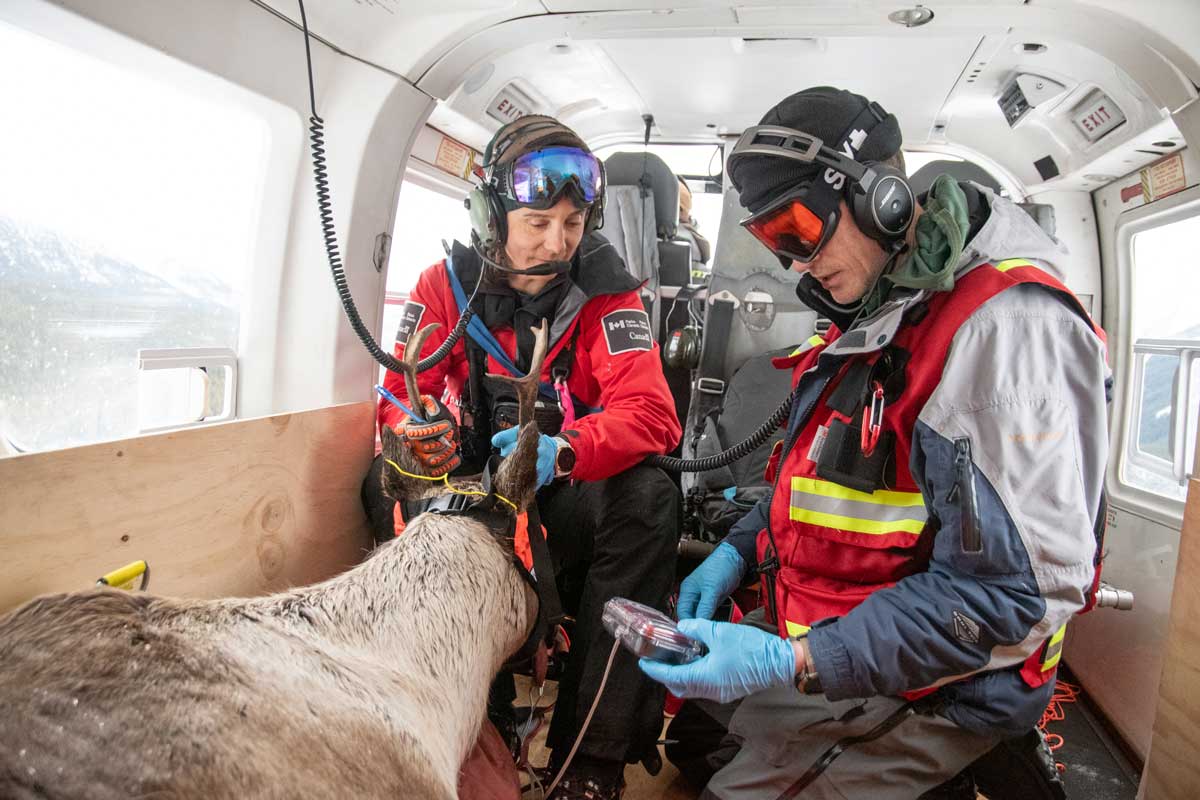
In 2025, Parks Canada relocated 10 caribou from within Jasper National Park to the new Caribou Conservation Breeding Centre. In June, seven healthy caribou calves were born and bonded with their mothers in an encouraging start to the program’s first calving season.
An eighth calf from the Central Selkirk Caribou Maternity Pen, joined the Jasper herd after being abandoned and deemed unlikely to survive if released to the wild.
Young caribou born in the program will eventually be released to join the Tonquin herd in Jasper National Park. While the Tonquin herd is small, its numbers have been stable and slowly increasing since 2015.
Caribou relations group
The caribou relations group helps guide caribou recovery in Jasper and is composed of several Indigenous communities with ties to Jasper National Park. Over the years, Indigenous partners have participated in consultations and fieldwork, conducted archaeological and plant surveys, held ceremonies, harvested lichen for caribou and worked to protect caribou in Jasper and beyond. Indigenous partner support, collaboration and trust remain a foundation of the caribou recovery work moving forward.
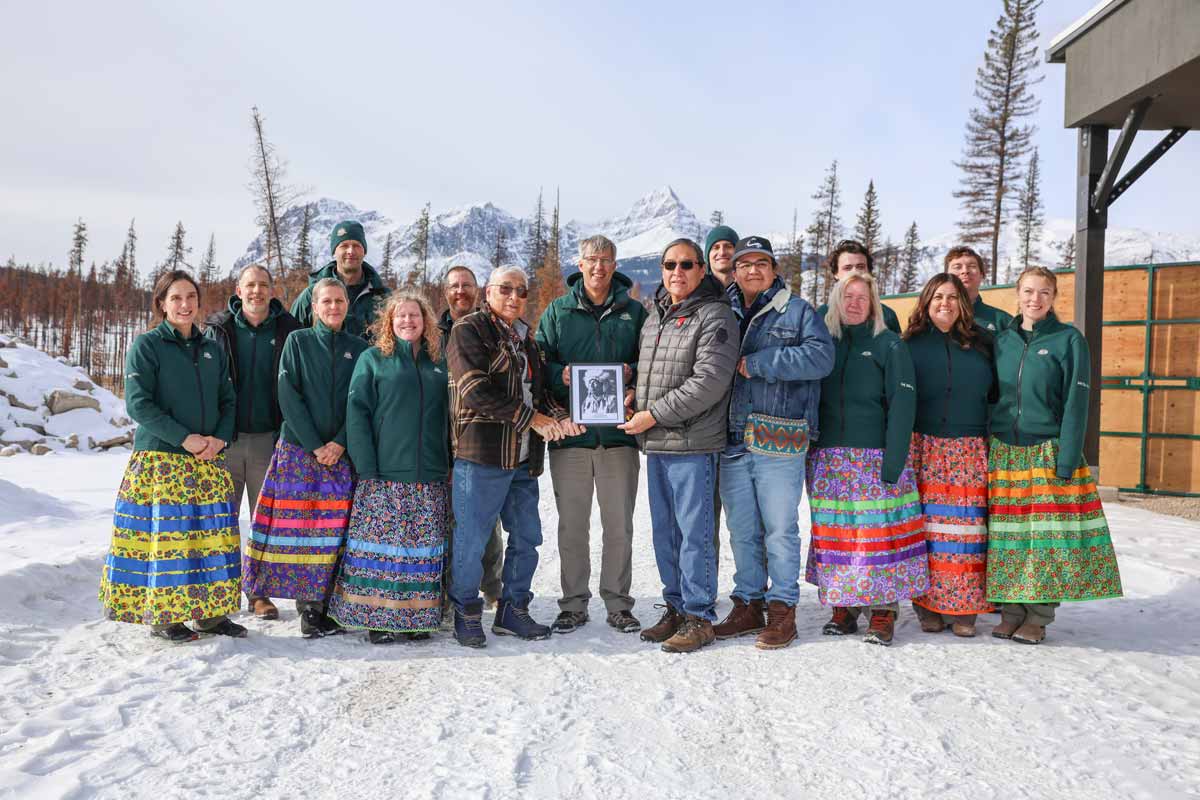
Parks Canada’s Caribou Conservation Breeding Program is collaborating with Indigenous Nations from the Jasper Indigenous Forum, combining Indigenous knowledge and Western science to facilitate the growth of the Tonquin herd. This partnership was established through respectful dialogue and inclusion, culminating in a ceremony and blessing. Facilitating cultural practices through ceremony and collaboration exemplifies how reconciliation actions can be successful.
Feeding the herd
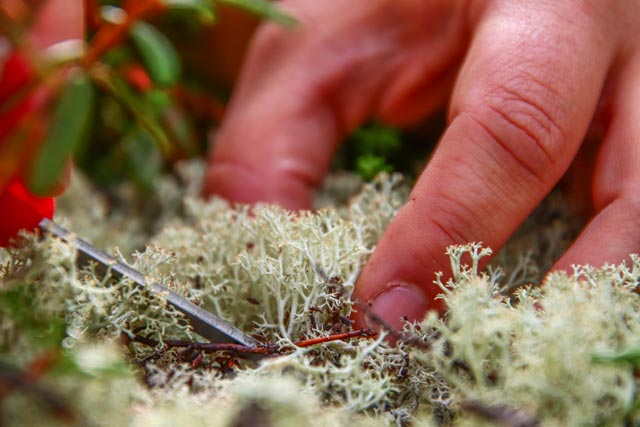
Lichen is a caribou’s primary diet during the winter and a preferred food year-round. While caribou in the Conservation Breeding Centre are given pellet food to meet their daily nutritional requirements, lichen is an important addition to their diet. Supplying lichen and other plants helps keep natural foods in their diet. Natural foods also help caribou gently transition to eating pellet food when they arrive at the centre, as well as transition back to a natural diet before they are released into the wild.
Aseniwuche Winewak Nation, Kelly Lake Cree Nation, and Mountain Cree have started community programs to collect lichen for caribou in the Centre. Kelly Lake Cree Nation has been salvaging lichen near their community in areas that will be disturbed by future industrial development. An impressive contribution of over 500 bags of dried lichen was received from Indigenous partners in 2025.
Caribou monitoring
Every year since 2006, Parks Canada has conducted aerial surveys of caribou habitat by helicopter, counting caribou from the air and landing to collect scat for DNA sampling. The monitoring team completes their work in the fall and winter, with analysis and results obtained by the next summer and fall. These methods are used together to estimate the number of caribou in Jasper National Park’s herds.
The last three known caribou in the Brazeau herd were relocated to Parks Canada’s Conservation Breeding Centre in March 2025. This herd, which roamed the most southern parts of Jasper National Park in the Brazeau Range, has been very small and functionally extinct since 2005. Without intervention, the Brazeau caribou and their unique genetics and behaviours would have soon disappeared. Locating and protecting Brazeau caribou so they will one day inhabit the park again was an important achievement in the program’s first year.
With the inclusion of the last members of the Brazeau herd in the breeding facility, the annual winter closure of the Brazeau range has been lifted. No new long-term closures related to caribou are planned.
Parks Canada estimates there are between 43 and 50 Tonquin caribou, including 12 reproductive females. The Tonquin herd is showing a stabilizing trend after a small dip between 2022 and 2024. Natural population growth is expected to remain slow until Parks Canada begins adding caribou from the Conservation Breeding Centre to the Tonquin herd.
The À La Pêche caribou population ranges from the northern portion of Jasper National Park to the Alberta foothills. The herd is estimated to include as many as 250 caribou, with about half spending part or all of the year in Jasper National Park. This population is considered stable to increasing in size.
Species at risk
Black swifts
Black swift surveys at Maligne Canyon and Athabasca Falls brought good news in 2025. The damage from the 2024 Jasper Wildfire to these important nesting habitats was severe, and there was concern for the black swift populations. However, Parks Canada staff were excited to observe similar numbers of black swifts flying directly over and into the canyons as there were before the wildfire. In partnership with Canadian Wildlife Service biologists, Parks Canada staff used infrared cameras at Maligne Canyon to help identify where nests may be located.
Whitebark pine
The whitebark pine team was in the field frequently over the summer. 2025 was a rare “mast year”, when trees produce a very large number of cones. The team climbed trees to protect the cones on 40 whitebark pine trees that are resistant to a disease called blister rust.
Over 1,200 cones were collected, containing nearly 47,000 whitebark pine seeds! The seeds were sent to testing labs, tree nurseries, and short-term storage at the British Columbia Tree Seed Centre. Parks Canada staff also surveyed more than 10,000 trees in 10 newly studied areas and have identified 25 new trees that are resistant to blister rust.
Ecological integrity monitoring
The ecological integrity monitoring team collects data to track the health of important ecological indicators throughout the park. To monitor important species like grizzly bears and other mammals, the team uses a grid of remote cameras spread throughout the park. Trips to maintain and retrieve these cameras can take more than two weeks on horseback. During these trips, staff also support monitoring projects on alpine plants, bird species, bats and whitebark pine. While on remote trails, staff clear fallen trees when accessing camera locations, which also helps improve visitor access.
Aquatic monitoring and invasive species
In 2025, the aquatic invasive species prevention team continued surveillance for invasive species at the park’s most popular waterbodies. No high-risk aquatic invasive species, such as whirling disease or invasive mussels, were detected in Jasper National Park during the year’s monitoring. The team engaged with more than 4,000 visitors, continuing to educate the public on the importance of “clean, drain, dry” practices while collecting data on water-based recreation to inform future management decisions.
The 2024 Jasper Wildfire is expected to impact park freshwater ecosystems, riparian vegetation, water quality and the way water moves through the park. The aquatics team monitors changes in water flow, water temperature, sediment and nutrients at sites within the burned area. The team is exploring the potential effects of these changes on important habitat for species at risk, aquatic invasive species distribution, and aquatic vegetation growth.
The native fish community monitoring program continued in 2025. Parks Canada partnered with Alberta Environment and Protected Areas to conduct an electrofishing program on the Athabasca River. Fish populations in Jasper provide a reference point for more disturbed locations downstream. This work was an opportunity to assess the impacts of the 2024 wildfire on fish populations within and downstream of the burned area.
An interesting discovery was that fish counts in rivers within and downstream of the wildfire impacted area were higher than in any previous sampling. It is possible that these fish are benefiting in the short term from the increased nutrients and productivity of the post-wildfire river habitat. Parks Canada will continue to monitor post-wildfire conditions into the future.
Bear collaring program
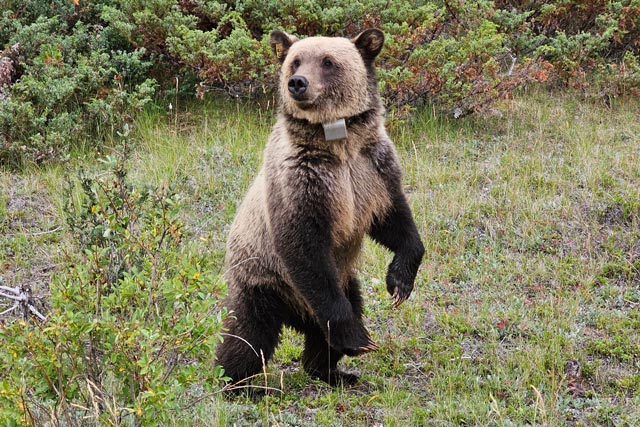
The number of grizzly bears and black bears in the valley bottom near the Jasper townsite has been increasing in recent years. Despite good uptake in the fruit tree replacement program to reduce wildlife attractants in town, some habituated bears are still treating Jasper townsite as their preferred habitat. This has resulted in a rise in human-bear conflicts and staff hours required to manage bears.
In 2025, human-wildlife coexistence staff adapted their approach to bear management, capturing and GPS collaring seven grizzly bears and two black bears that were spending time in high human use areas. Collaring bears improves bear management by providing reliable identification of individual bears and real-time information on where they are, allowing targeted management of these bears. Collar data will also provide information about how bears use the valley bottoms in the post-wildfire landscape and will provide data for long-term grizzly bear population monitoring.
Forest restoration
Parks Canada focused on three vegetation restoration goals in 2025: restoring wildfire disturbed sites, preventing new invasive plants while controlling established ones, and engaging locals and visitors through outreach initiatives.
Most sites disturbed by the wildfire will be left to recover naturally. Restoration work is concentrated on highly visited areas and locations with slope stability concerns.
Parks Canada is also exploring how plant species are returning to areas with differing wildfire severity. That work included sampling 77 vegetation plots in 2025 to find how native and non-native invasive species were regenerating. Of those 77 plots, nine contained non-native invasive species, indicating that some areas are particularly vulnerable post-wildfire.
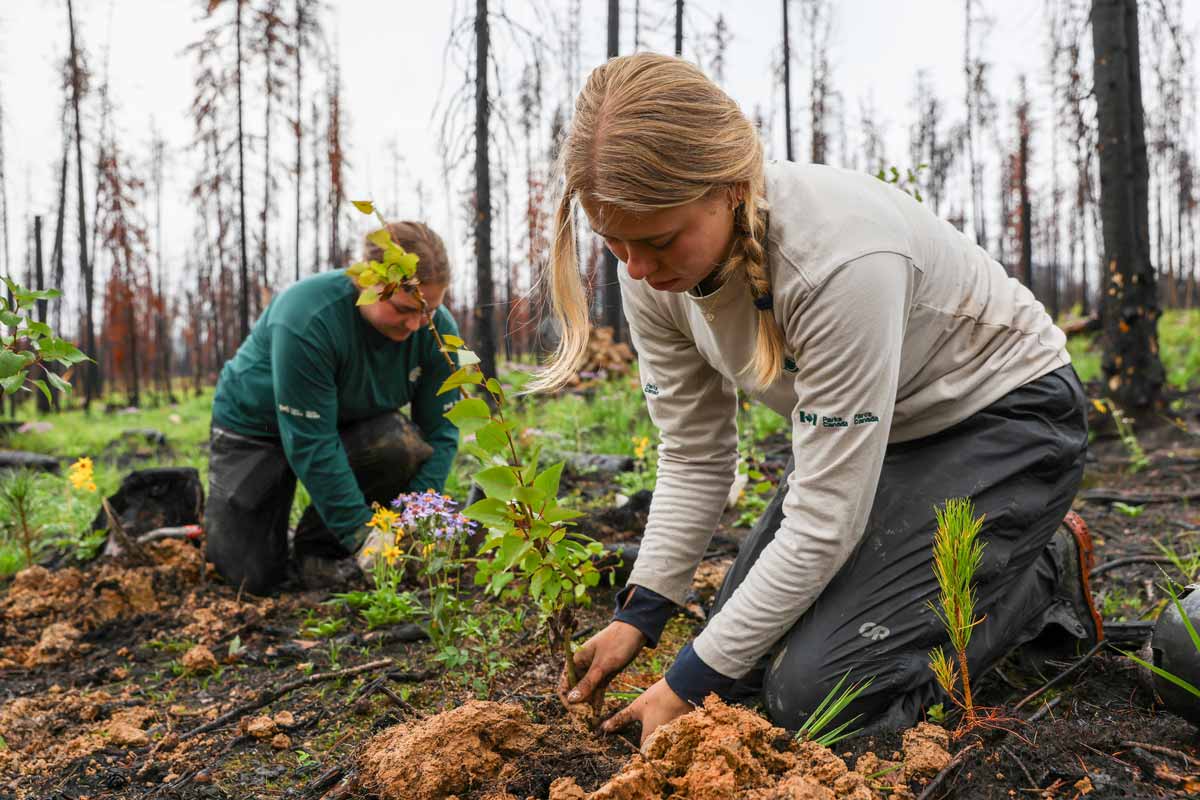
Forest restoration activities completed in 2025 include:
- Treated 20 restoration sites in the park and municipality with techniques including replanting, seeding, hemp erosion matting and cedar fencing.
- Planted 16,356 Douglas-fir, 1,080 wolf willow, 540 Bebb’s willow, and 540 red-osier dogwood through the 2Billion Trees initiative.
- Collected 3,200 Douglas-fir cones, which is enough seed for an estimated 10 years of planting.
- Planted 1,400 native grasses and forbs grown from local seed to restore four sites within the municipality.
- Planted 13,000 plants at the Caribou Conservation Breeding Centre to restore vegetation in caribou pens affected by the wildfire.
Invasive plant species management
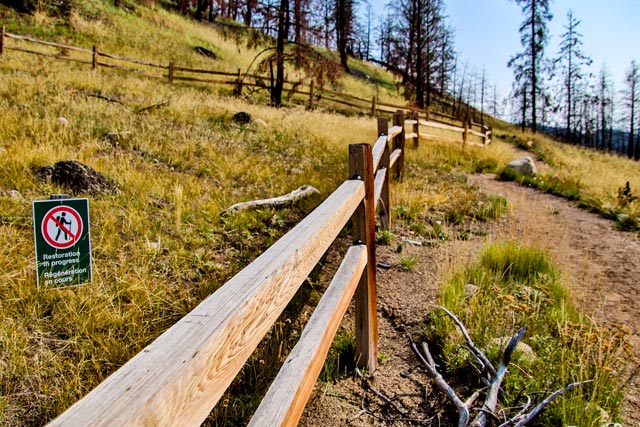
Jasper National Park uses an integrated approach to manage invasive plants in sensitive ecosystems. Key actions include monitoring and surveying, prevention and education, as well as various control methods and reclamation through competitive planting and seeding.
Nearly 50 hectares of vulnerable areas were inventoried in 2025 for invasive species presence. A total of 4,875 kg of invasive plants was manually picked and incinerated. Other management techniques used in 2025 included steam, herbicide, biocontrol using weevils, hemp smother matting, solarization tarps, and burning yellow clematis seed heads with torches to prevent seed dispersal.
Forest health initiatives
Sixteen traps were placed around the park to monitor for the invasive spongy moth, and 550 pheromone packs were installed to monitor for Douglas-fir beetle. No evidence of either species was found.
Eighteen traps were placed to monitor the black army cutworm, a native moth species that thrives in wildfire-affected areas. In spring 2025, the caterpillars were observed feeding on leafy plants and conifer seedlings. Replanting was temporarily paused in those areas, but results from the traps indicate that the cutworm’s numbers are now low enough that planting can resume in 2026.
Wildfire risk reduction projects
A wildfire risk reduction strategy was finalized in 2025, to guide the next 5 years of activities. This strategy identified values at risk, risk reduction initiatives, and priority areas for vegetation management. The strategy is built around the seven FireSmart Disciplines: Education, Vegetation Management, Legislation and Planning, Development Considerations, Interagency Cooperation, Cross-training, and Emergency Planning.
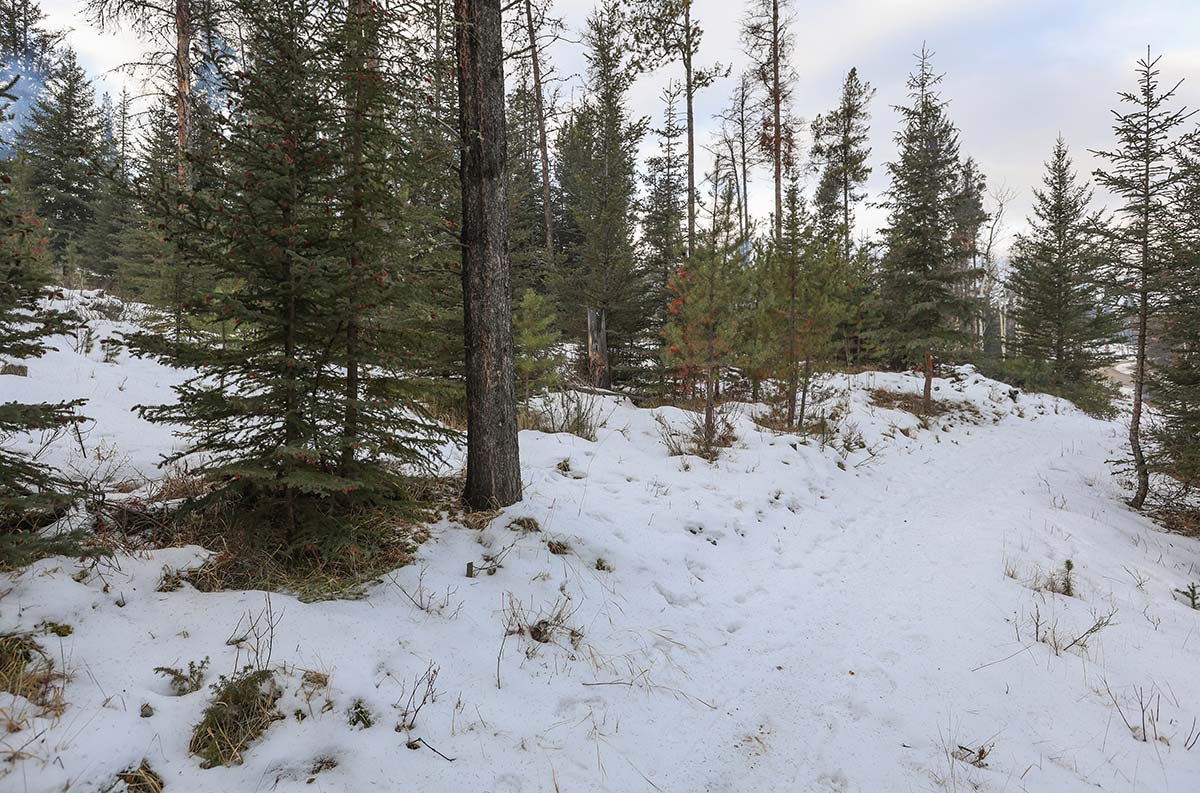
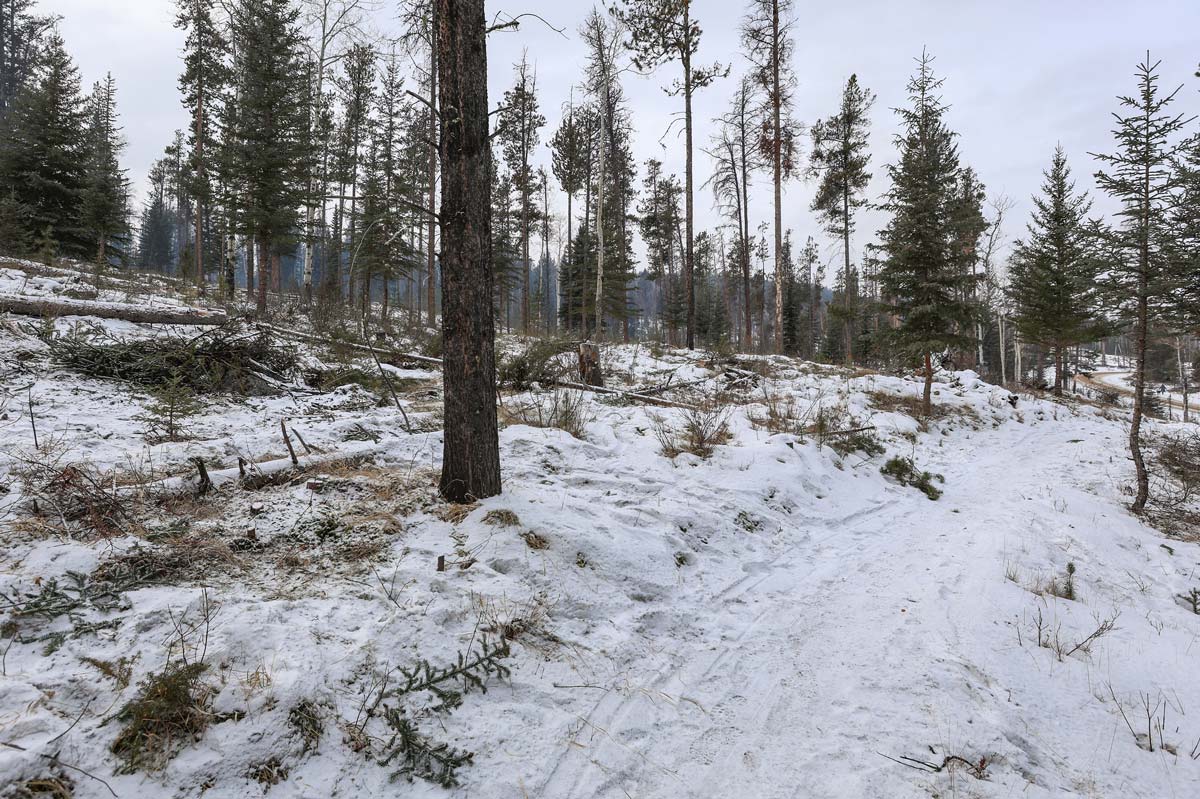
Between January and April 2025, 100 new hectares of vegetation were cleared on the Pyramid Bench and Community Fireguard area, adjacent to 360 hectares which had been previously treated. More than 15 additional hectares were treated near outlying commercial accommodations, including Pine Bungalows, Patricia Lake Bungalows, and Jasper Park Riding Stables. These treatment areas form part of Park’s Canada’s approach to reinforce wildfire protection around the community and outlying areas.
The 2025 fire season
Parks Canada reported on the fire danger ratings between April and October 2025 in Jasper. During this period, the park spent 52 days in low fire danger, 48 days in moderate, 25 days in high, 20 days in very high, and zero days in extreme fire danger. For comparison, Jasper usually sees about four days of extreme fire danger in a season. In 2024, Jasper experienced 19 days of extreme fire danger over the course of the season. Fire danger is reported on the Jasper National Park website, and on signs at park entrances.
Five wildfire starts occurred within the park in 2025. All were human-caused and extinguished before reaching a size greater than 0.1 hectare.
2024 Jasper Wildfire reports
Two independent reports were commissioned by Parks Canada on the 2024 Jasper Wildfire. These reports were published in 2025.
Jasper 2024 Wildfire Complex: Documentation, Reconstruction and Analysis was completed by the Canadian Forest Service of Natural Resources Canada. This report focuses on fire behaviour outside the townsite between July 22-24, 2024, the period from ignition until embers reached the townsite.
Jasper Community Wildfire Impact Research was completed by FPInnovations. This report focuses on fire behaviour within the townsite and surrounding commercial accommodations.
Strategy 2: True-to-place experiences
Trails
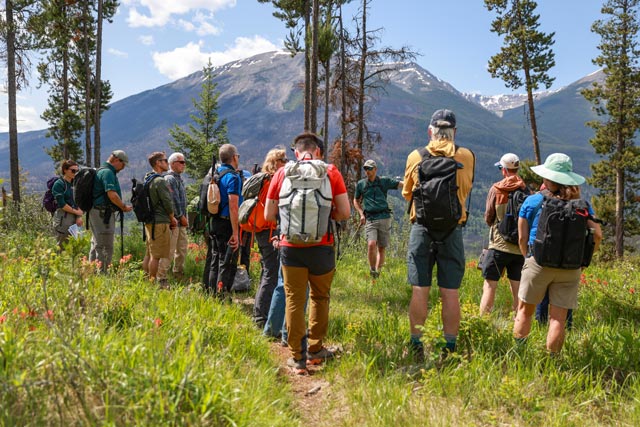
Jasper National Park features almost 1,100 km of official trails and over 80 backcountry campgrounds. The trail network offers day, overnight and multi-day adventures for a range of abilities. Parks Canada continues to invest in replacing wayfinding signs, and in restoring, re-routing, updating, and maintaining trails and infrastructure to ensure safe and enjoyable experiences for visitors and residents.
Throughout 2025, the trail crew maintained trails, cleared hazard trees and built bridges, including on the Upper and Lower Fryatt trail, Evelyn Creek, the Snake Indian Falls trail, and multiple campground bridges that were wildfire affected.
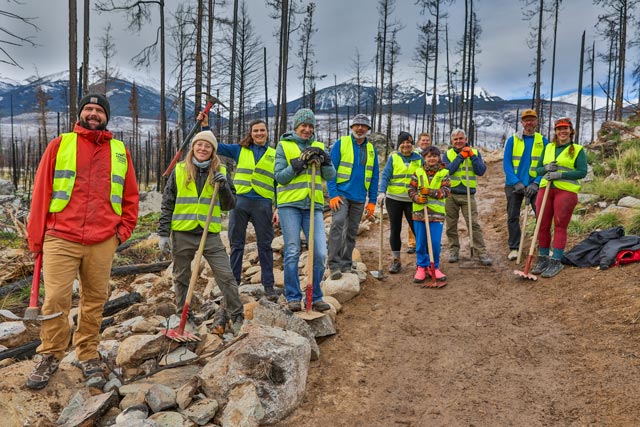
Valley of the Five Lakes trail was heavily impacted by the 2024 Jasper Wildfire and remained closed in 2025 for the safety of trail users and for ecological recovery. The Jasper trail crew were hard at work throughout the year and collectively put in more than 2,000 hours to restore and realign the trail. Parks Canada looks forward to welcoming visitors to experience the much-loved Valley of the Five Lakes trail in 2026.
In-person interpretation
In 2025, outreach and education staff connected with over 26,000 locals and visitors through programs about wildfire, forest regeneration, human-wildlife coexistence, and winter safety.
Working with Friends of Jasper
Friends of Jasper National Park was hard at work in 2025! Over 1550 volunteer hours were recorded over the year. The Friends were a great help in clearing brush and repairing trail tread on the Valley of the Five Lakes Trail to help prepare it for reopening in 2026.
Parks Canada is also piloting a lichen collection program with Friends of Jasper National Park. With the support of Marmot Basin, a team of Parks Canada staff and Friends of Jasper volunteers collected lichen from ski runs at Marmot Basin over the summer which will be used at the Caribou Conservation Breeding Centre.
Park visitor estimates
Parks Canada estimates visitation using traffic counters across the mountain national parks. These estimates account for through traffic and multiple entry points across the shared boundaries of Jasper, Banff, Yoho, and Kootenay national parks. Visitor estimates for 2025 remain below pre-wildfire levels, reflecting reduced availability of frontcountry campsites and commercial accommodations. The Canada Strong pass provided free entry and encouraged travel to Parks Canada sites during peak periods. Overall visitor estimates are rounded to the nearest 10,000, and frontcountry and backcountry camper estimates are rounded to the nearest 100.
| 2020 | 2021 | 2022 | 2023 | 2024 | 2025 | |
|---|---|---|---|---|---|---|
| Estimated number of visitors | 1,670,000 | 2,110,000 | 2,410,000 | 2,480,000 | 1,130,000 | 2,130,000 |
Park visitor estimates: Data for 2025 is based on an estimated post-COVID-19 commercial recovery, with an increase from the 2019 commercial numbers. These estimates account for through traffic and multiple entry points across shared boundaries with other mountain national parks.
| 2020 | 2021 | 2022 | 2023 | 2024 | 2025 | |
|---|---|---|---|---|---|---|
| Backcountry campers | 14,300 | 17,800 | 14,100 | 15,100 | 4,900 | 12,300 |
| Frontcountry campers | 191,100 | 389,400 | 453,000 | 520,700 | 241,500 | 438,800 |
Backcountry and frontcountry campers: Total camper numbers are estimated by multiplying the number of camping permits sold by 2.8 (the average number in a camping party.) Following the Jasper Wildfire, 75% of frontcountry campsites were open in the 2025 season. 100% of backcountry campgrounds were open.
Visitor information and JasperNow
A dedicated team were stationed throughout the park’s most visited day use areas and trailheads to provide information to visitors and support traffic management. This team focused on high visitation sites such as Maligne Lake, Athabasca Falls, Lake Annette, and trailheads within the wildfire-affected area. In total, this team connected with over 62,000 visitors.
Additional signs and physical barriers were installed in areas prone to congestion and parking issues to improve compliance, traffic flow and to ensure emergency vehicle access.
JasperNow provides daily updates throughout the summer season on what’s open, parking availability, road updates, and much more. In 2025, JasperNow’s reporting frequency was significantly increased to provide real time information to visitors on parking lot capacity to help with trip planning and during their stay.
Visitors can also check the What’s Open in Jasper National Park page for up-to-date information on park closures. This was especially helpful during the first summer season after the 2024 Jasper Wildfire. The page allowed visitors to plan their trips with confidence.
Strategy 3: Strengthening Indigenous relations
Parks Canada works with more than 20 Indigenous groups that make up the Jasper Indigenous Forum. Indigenous partners and Parks Canada discuss park management and operational issues and collaborate on park projects. Parks Canada and the Jasper Indigenous Forum met in June and October. The October session included site visits to Buffalo Prairie, the Palisades Centre and the Cultural Use Area. Several other engagement sessions were held in 2025, including two pipe ceremonies and meetings with the Jasper Indigenous Exhibit Working Group.
Indigenous Exhibit
In 2025, visitors were welcome to experience the new Indigenous Exhibit. The Indigenous Exhibit has been more than 10 years in the making and marks a collaboration between 15 communities. The exhibit showcases Indigenous language, artwork and stories in Jasper National Park. Stay tuned for details about the completion of the exhibit and for the official opening event!
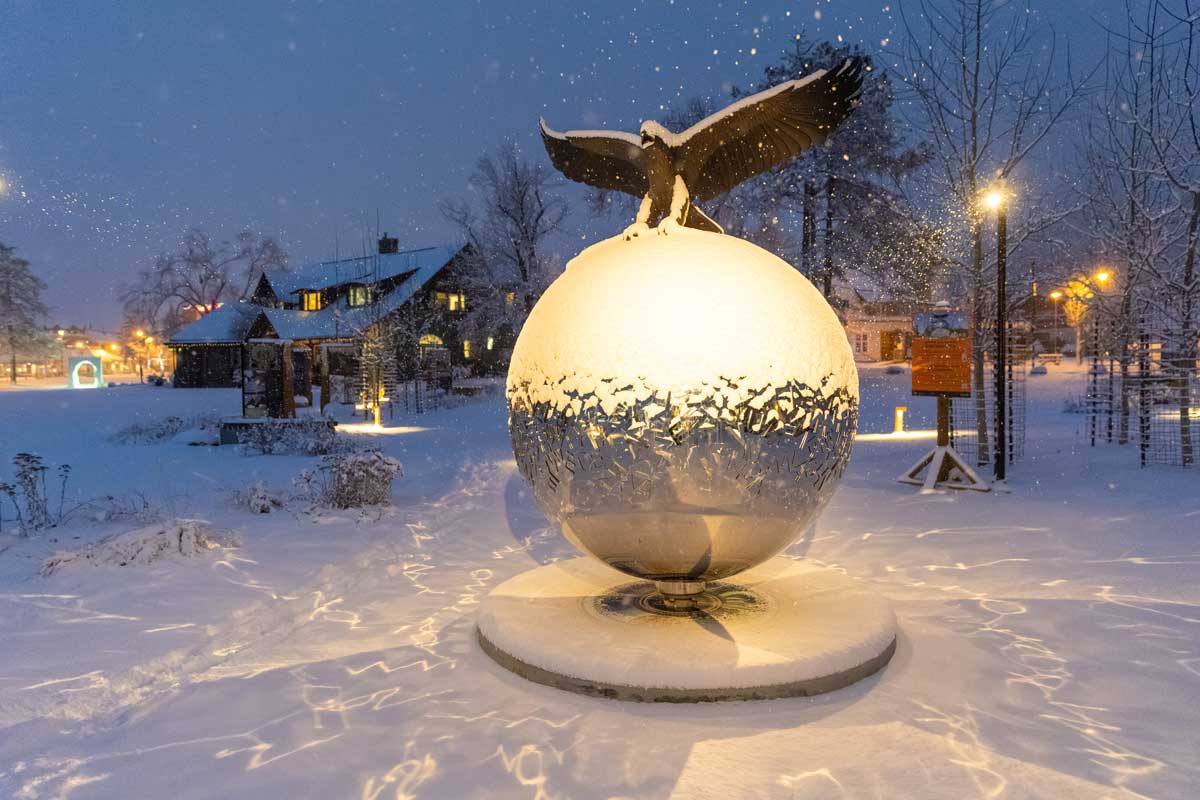
Indigenous monitoring
To support recovery efforts throughout the park and community, Parks Canada worked closely with Indigenous partners to coordinate site monitoring and archaeological investigations, including soil sampling and visual surveys.
Healing through fire
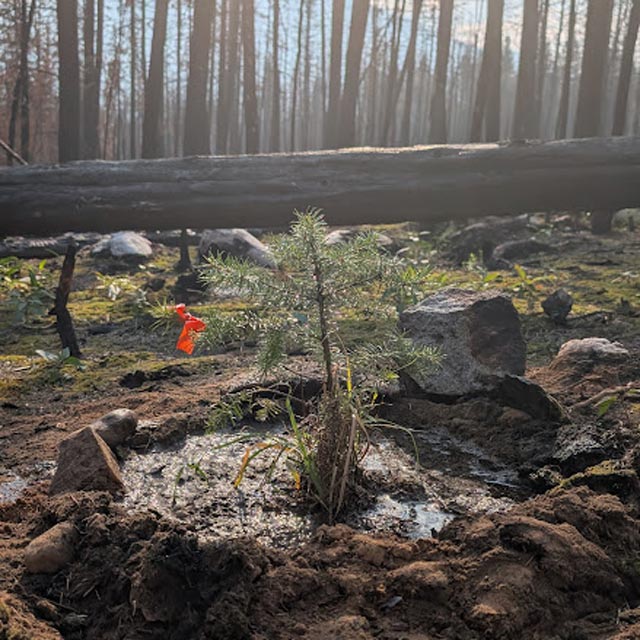
The Healing Through Fire interpretive program, co-hosted with Indigenous partners, supported social and ecological recovery by connecting Jasper residents with nature and Indigenous knowledge. Over 300 residents participated in the program, connecting with Indigenous partners and Parks Canada naturalists on a journey that braided Indigenous wisdom and scientific practice to learn about ecological resilience after the 2024 Jasper Wildfire. The program shared Indigenous perspectives on healing, included a tree planting and explored how the park landscape survived, regenerated and began to thrive following wildfire.
Strategy 4: Connect, collaborate and learn together
Getting the word out – social media
Parks Canada enables Canadians to learn about our shared heritage and experience the outdoors in a safe and enjoyable way by providing visitors with consistent and accurate information. Jasper National Park aligns its social media channels, newsletters, and website to communicate important information, including trail maintenance and event updates, trip planning tips and avalanche control notices.
The 2024 Jasper Wildfire continued to attract media, visitor, and resident interest throughout 2025. There were over 118,000 visits to Jasper’s wildfire-related web pages, with notable spikes in visits related to smoky conditions in June and September, and during Parks Canada’s support of the BC Wildfire Service during the Yellowhead Lake Fire, which occurred outside Jasper’s western park boundary.
Over 130 news articles were published about the 2024 Jasper Wildfire in 2025, in addition to various interviews given by Parks Canada staff for wildfire-related film projects with partners such as Travel Alberta and local filmmakers.
State of the Snowpack
Parks Canada, in collaboration with Marmot Basin, the Alpine Club of Canada, Rockaboo Mountain Adventures, the Royal Canadian Legion and State of the Snowpack created a new community-based avalanche awareness program.
Strategy 5: Managing development
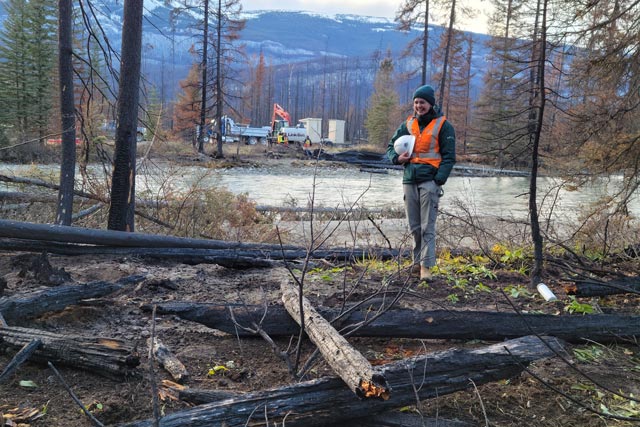
Parks Canada manages development and redevelopment to ensure that projects are the right fit for the national park landscape. Impact assessments determine whether proposed projects pose significant adverse effects on the park environment, and outline mitigations to reduce those effects.
In 2025, the impact assessment team received 141 new projects and continued working on approximately 70 ongoing files for multi-year projects or projects that restarted after the 2024 Jasper Wildfire. The team handled debris removal and sampling plans, reviewed external reports, and carried out closure inspections for more than 400 properties and structures destroyed by the wildfire.
Commercial floor area
Commercial floor area is the space within a building that is used for commercial purposes, like hotels, restaurants, or shops. The amount of commercial floor area that can be developed in Jasper is limited in legislation to 118, 222 m2. This limit was established in 2004 in response to concerns about excessive development in national parks. It also helps preserve land within the townsite for housing and other community needs. All the developable commercial floor area is now allocated. Commercial floor area may become available in the future through business redevelopment.
Permitting
Parks Canada issued 152 development permits and 117 building permits in 2025 for properties being rebuilt following the 2024 Jasper Wildfire. Parks Canada issued an additional 190 development permits and 86 building permits in 2025 for other projects, such as new builds and renovations. This marks a busy year for the team, and a very busy year for the community and contractors as they proceed with planning and construction of a variety of residential and commercial projects.
Housing development
Working with the Jasper Municipal Housing Corporation, Parks Canada issued a new lease agreement for an affordable housing project which will build a 40-unit apartment building in Jasper.
Strategy 6: Climate change and adaptation
2025 International Year of Glaciers’ Preservation
The United Nations designated 2025 as the International Year of Glaciers’ Preservation to bring attention to the importance of glaciers to ecosystem health and human connection. Jasper’s Columbia Icefields are a key part of the Canadian Rocky Mountain Parks UNESCO World Heritage Site. Parks Canada was invited to speak at a symposium on monitoring and managing glaciers hosted by UNESCO's World Network of Mountain Biosphere Reserves. The session explored experiences from around the world at reserves where glaciers are a key part. Participants shared perspectives of how climate change and glacial retreat is impacting landscapes, cultural connection and visitor access.
Glacier Gallery at the Columbia Icefield Discovery Centre
In partnership with the “Guardians of the Ice”, the Glacier Gallery was redeveloped to showcase MELTDOWN, a large format photography exhibit that captures the beauty and majesty of the Columbia Icefield. MELTDOWN’s photos emphasize the changing landscape of the Columbia Icefield and act as a reminder of the environment’s fragility amid climate change.
The renewed exhibit resulted in a 22% increase in visitation to the Glacier Gallery for the 2025 season when compared to the same May – July period of 2024. It inspired thousands of visitors to pledge local actions on climate change.
Icy and RegenEye, citizen science projects
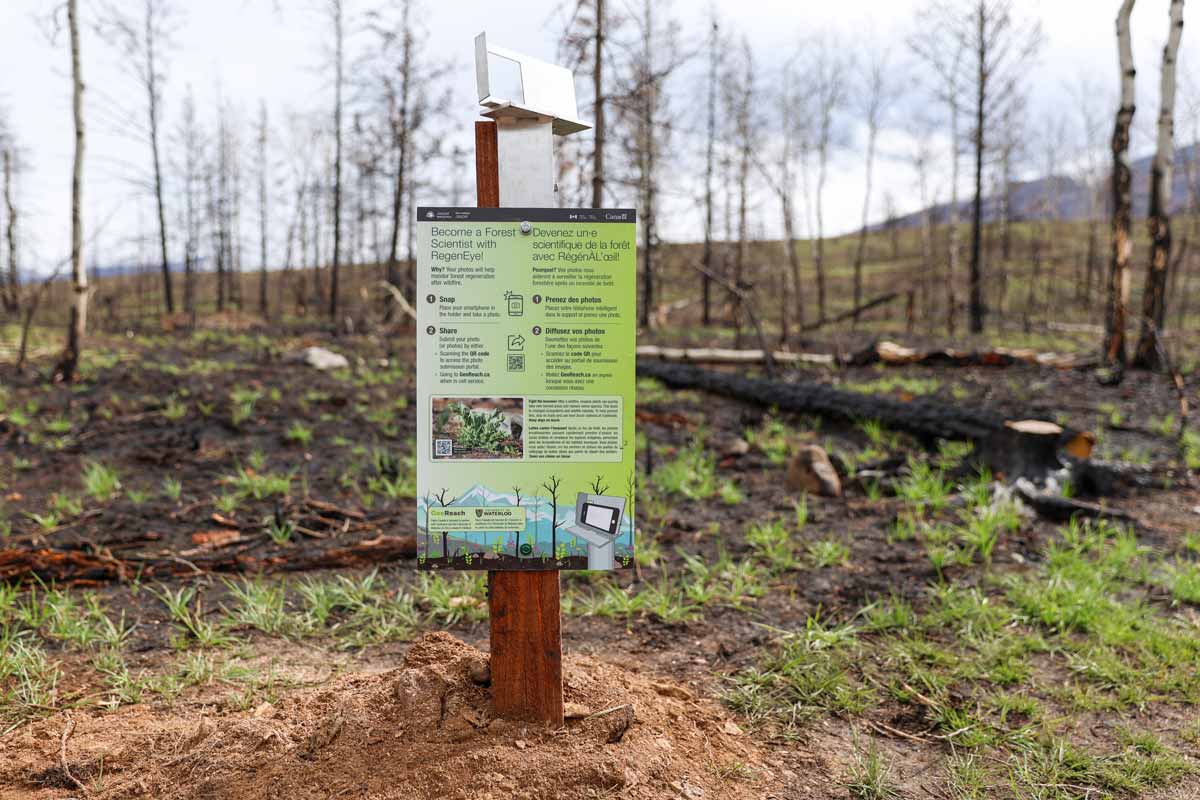
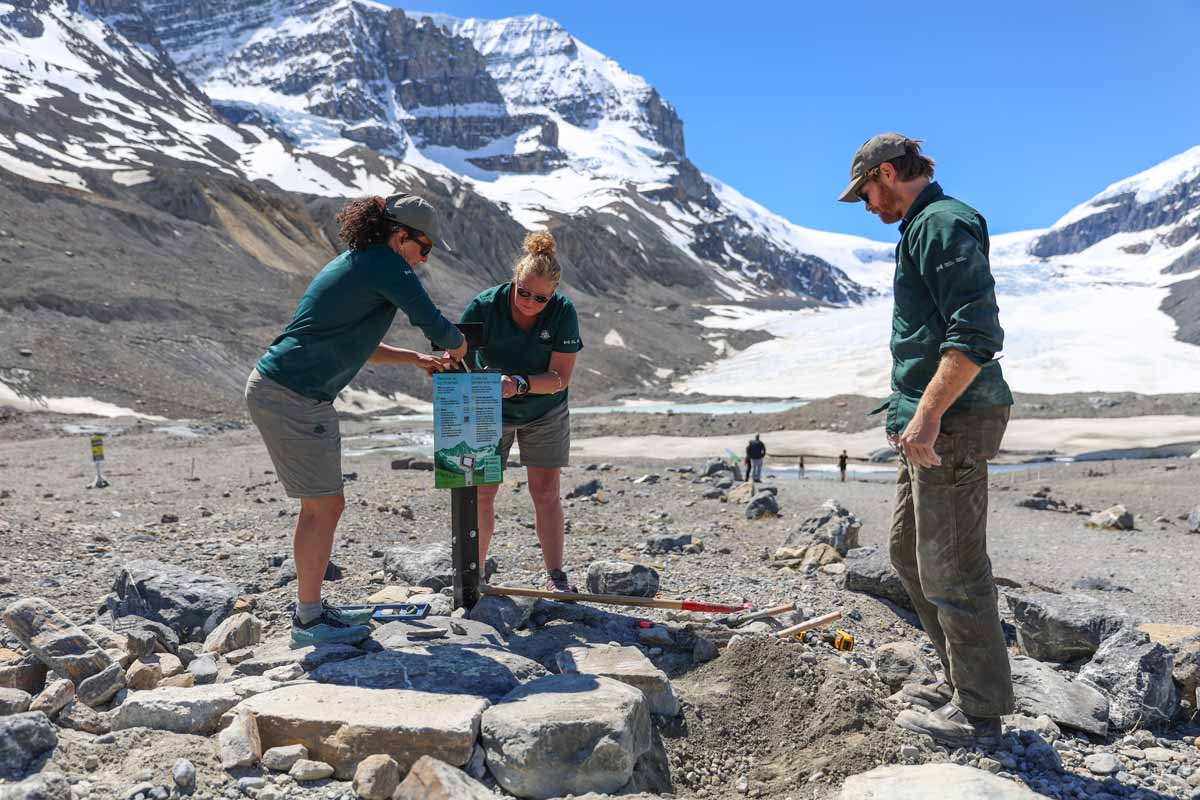
In partnership with the University of Waterloo, Jasper National Park launched Icy and RegenEye, two citizen science projects. Cell phone stands were installed at select glacier viewpoints and forest regeneration locations to allow visitors to capture images from the same perspective. When those images are uploaded to a database, they will track changes to the landscape over time which will contribute to important environmental research.
Management areas
Area management focuses on specific areas of national parks that have complex management challenges – including important natural and cultural values, high visitation, public interest, significant infrastructure and multiple visitor experience opportunities. The Jasper National Park Management Plan (2022) identifies the Community of Jasper and the Tonquin Valley as requiring specific management objectives and targets to guide management in these areas.
Management area: Community of Jasper
Jasper Recovery Coordination Centre
The Jasper Recovery Coordination Centre (JRCC) is a partnership between Parks Canada and the Municipality of Jasper to coordinate recovery from the 2024 Jasper Wildfire.
In 2025, the JRCC released the Jasper Recovery Framework along with a Year One Progress Report. The JRCC publishes updated recovery information on both the Parks Canada and Municipality of Jasper website, and through annual recovery reports each summer.
The JRCC is focused on the following priorities:
 Priority 1: Debris management
Coordinate the safe and timely removal of wildfire debris to enable rebuilding and protect public health, safety and the environment.
 Priority 2: Interim housing
Provide safe and appropriate interim housing for displaced residents and workers, to support stability and continuity during recovery.
 Priority 3: Rebuilding homes and businesses
Support the safe, efficient reconstruction of damaged and destroyed homes and businesses, while creating opportunities to address long-term housing needs and increasing resilience to future events.
 Priority 4: Social recovery
Foster individual and community well-being through inclusive supports that help people heal and connect.
 Priority 5: Economic recovery
Stabilize and strengthen Jasper’s economy by supporting affected businesses, welcoming visitors and enabling workforce recovery.
 Priority 6: Park recovery
Rehabilitate park assets and natural areas to support ecological integrity and provide safe and quality visitor experiences.
Highlights of recovery progress in 2025 include:
- 93% of all destroyed properties are certified as having all debris removed and soil conditions that are safe for rebuilding.
- Interim housing units are in place to support the community during rebuilding and is home to 462 households or 805 individuals.
- Building permits were issued for 107 rebuild properties, representing 235 dwelling units. Turnaround times for complete and conforming permit applications decreased by 60%, from an average of 50 business days in January 2025 to 20 business days in November 2025.
- The JRCC Social Recovery team conducted community needs assessments, established foundational community supports, coordinated community-level recovery programming, led commemorative and cultural healing activities, and strengthened partnerships and engagement.
- A pop-up village and interim industrial park were developed to support displaced businesses. Temporary laydown areas were established to support construction storage needs.
- Repairs and hazard tree removal allowed 75% of frontcountry campsites to open. Campsites are an important part of the accommodation options for visitors and support Jasper’s economic recovery.
- Rebuild planning progressed for Parks Canada infrastructure including impacted campgrounds, roadways, and staff housing in and outside the townsite.
- Geotechnical assessments and planning are underway for sites that remain closed due to safety risks, including Maligne Canyon and Edith Cavell Road.
Management area: Tonquin Valley
Parks Canada is using remote cameras to monitor predator populations in the Tonquin Valley. Information gathered from these images helps us better understand the risk to caribou from predators.
In 2025, Parks Canada completed construction of a temporary release pen for the Caribou Conservation Breeding Program on a site near Amethyst Lake. The temporary release pen will help caribou transitioning from the breeding centre to acclimate to wild surroundings before their release into the Tonquin Valley.
This site, previously the Tonquin Valley Outfitters, will be used by Parks Canada staff to support operational activities in the Tonquin Valley, including the release and monitoring of caribou. This follows the determination of that the Tonquin Patrol Cabin is unsafe for use due to problems with the foundation.
Funding summary
In the 2024-25 fiscal year, the Jasper Field Unit (which includes Fort St. James National Historic Site in British Columbia) continued to undertake extraordinary measures to recover from the 2024 wildfire and return to operations and visitor service. The Field Unit’s operating budget for this year was approximately $26.4 million, and was primarily derived from revenue from entry fees, campground fees, and land rents.
The 2024 Jasper Wildfire alone was the second most expensive wildfire event in Canadian history, with insured damage estimated to be $1.23 billion.
From 2024 to the end of 2025, the federal government has invested more then $383 million to support the rebuild of Jasper and the recovery of Jasper National Park. In addition, the Government of Canada provides disaster financial assistance to the Alberta Government.
- Date modified :