Research and monitoring

Pacific Rim National Park Reserve

Southern Resident Killer Whale

Information about how we are monitoring Southern Resident Killer Whales in Pacific Rim National Park Reserve.

Kelp Forests

Information about how we are monitoring and mapping kelp forests in the Broken Group Islands unit of Pacific Rim National Park Reserve.

Wild About Wolves

Explore the Wild about Wolves research project, from research methods to trail camera videos.

Bats

Information about how we are monitoring bats in Pacific Rim National Park Reserve.

Eelgrass meadows

Information about how we are monitoring eelgrass meadows in Pacific Rim National Park Reserve.

Migratory shorebirds

Information on our research and monitoring work on migratory shorebirds.

Overview

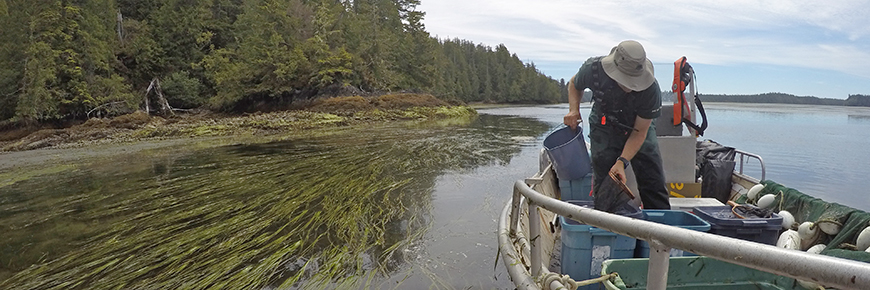
Parks Canada monitors the health of key ecosystems within Pacific Rim National Park Reserve on an annual basis. The results of this monitoring work can alert Parks Canada to stressors on sensitive habitats and prompt further steps to protect these areas.

Pacific Rim National Park Reserve also collaborates with a wide range of universities, researchers, and non-governmental organizations to conduct research and undertake management actions.

Monitoring and actively protecting the natural heritage of this protected place helps Parks Canada ensure that Pacific Rim National Park Reserve’s ecological integrity is maintained for generations to come.


Kelp Forests
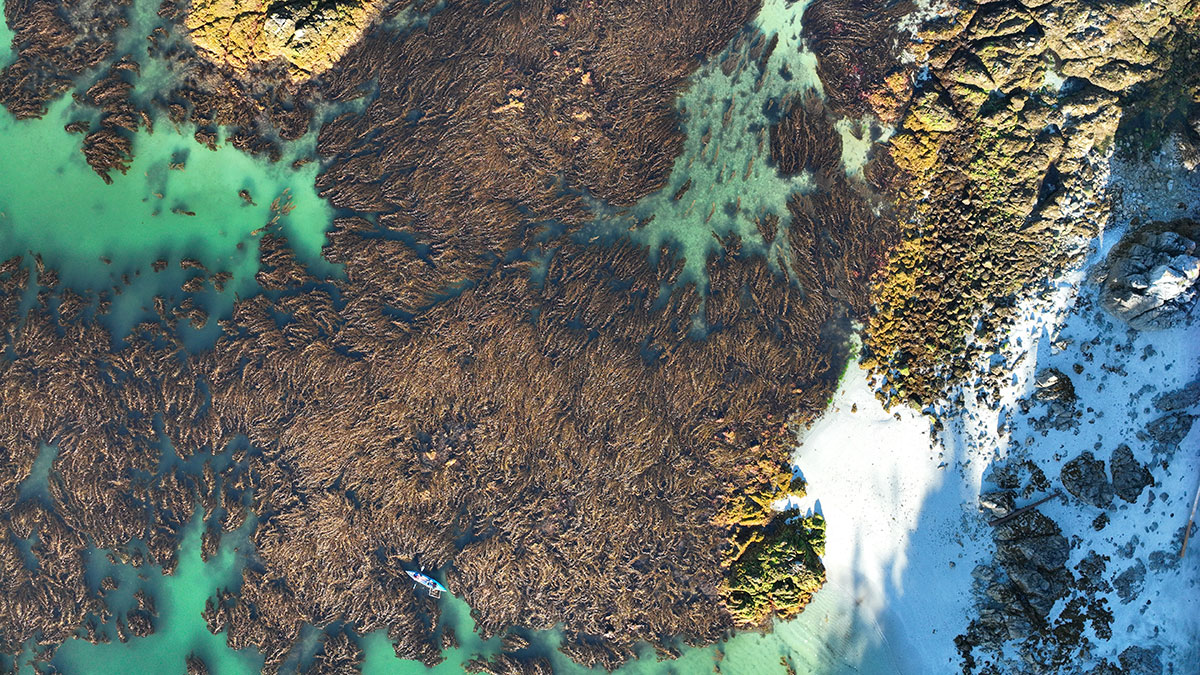
Aerial view of kelp forest in the ocean
Much like land-based forests, kelp forests create habitat underwater which produce oxygen, store carbon, and help reduce the impacts of climate change. Kelp habitats drive marine ecosystem diversity and support the recovery of culturally important species and species at risk.

Learn more

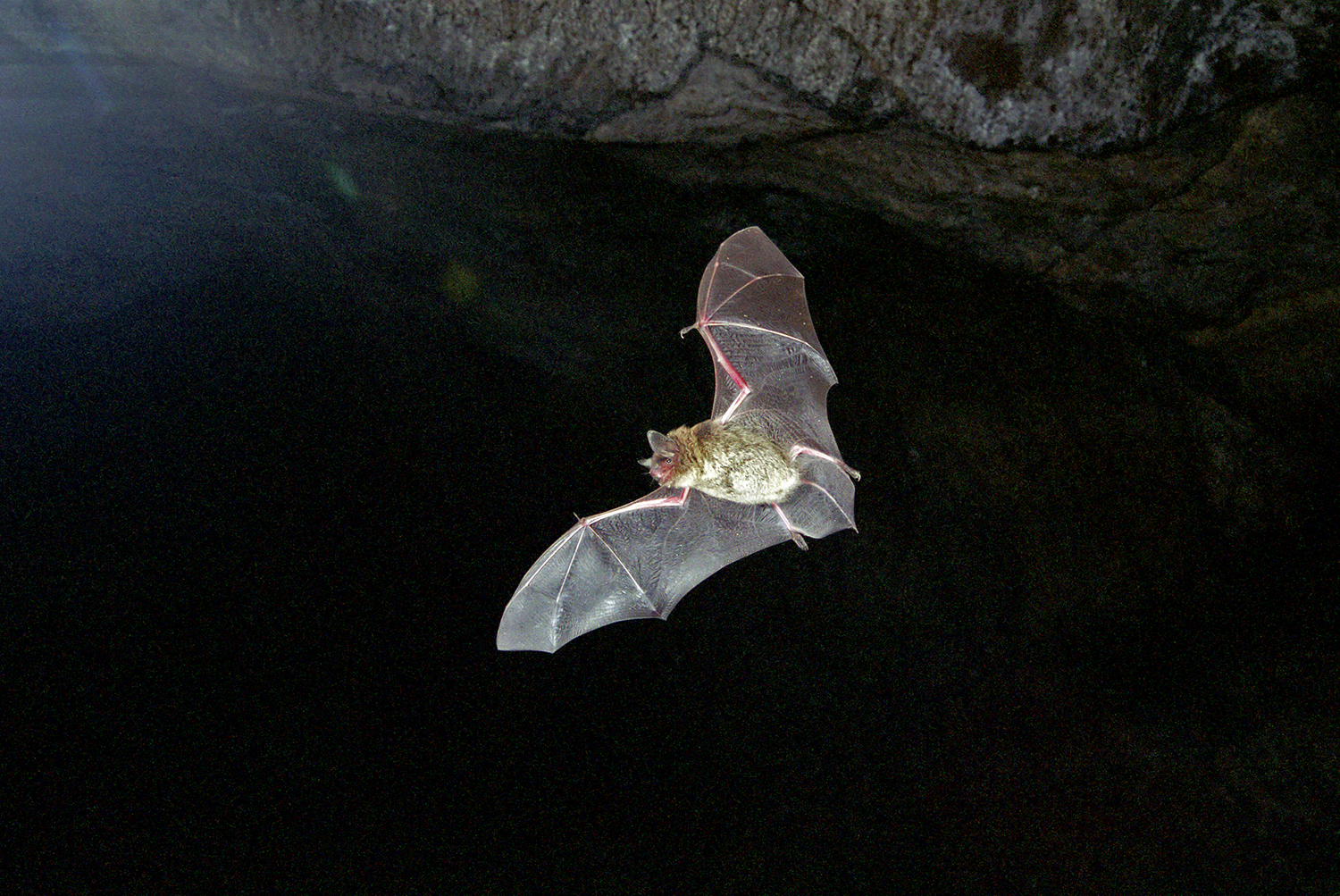
Bats

(Photo: Brock Fenton)

Among small mammals, bats are unique in their long lifespans, low reproductive rates and dependency on specific habitats and features — all factors which make them an ideal species to monitor and understand ecosystem change.

Learn more

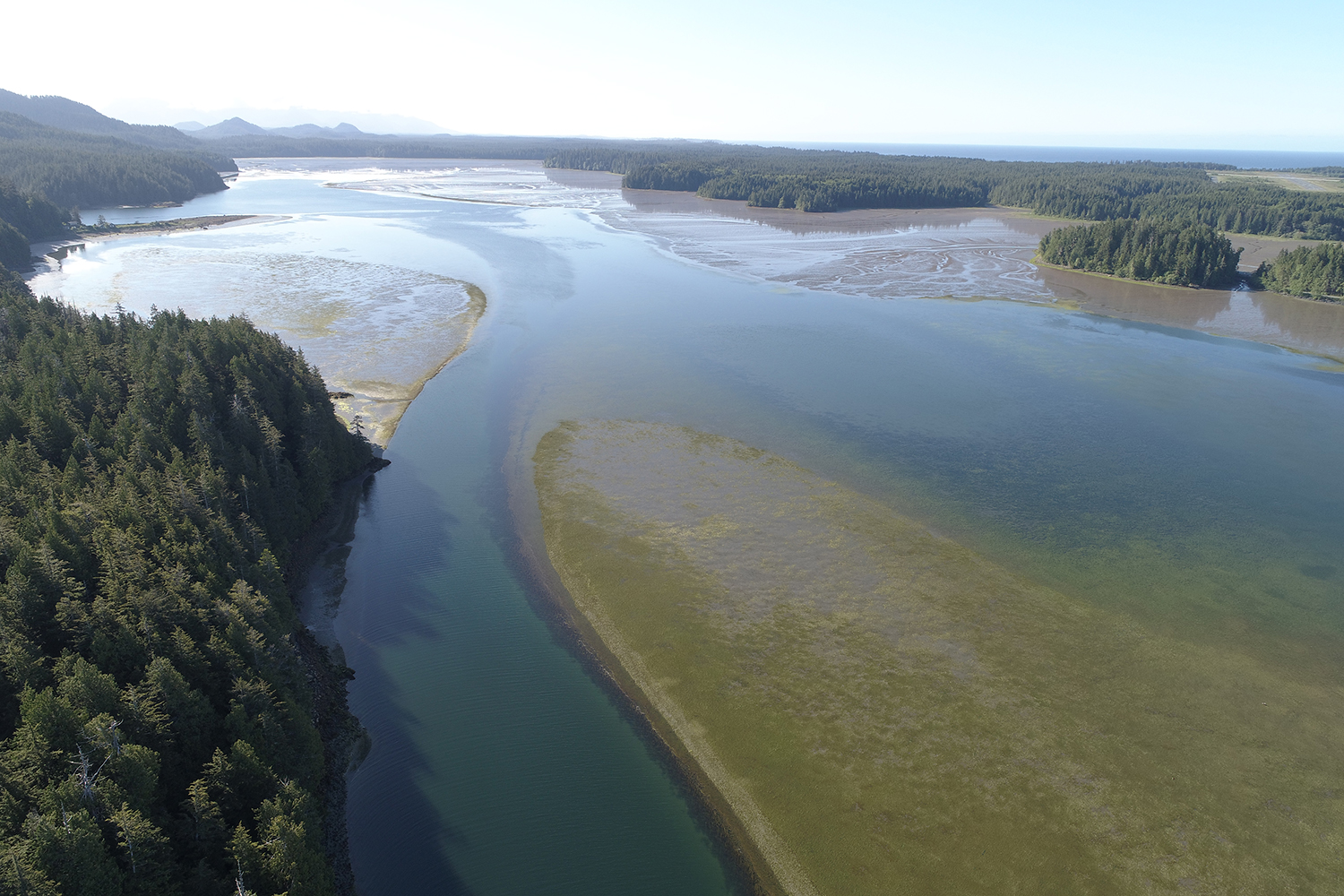
Eelgrass meadows

(Photo: Luba Reshitnyk/Hakai Institute)

Eelgrass is a green, ribbon-like sea plant that grows in patches of mud or sand near the shore’s low tide line. This plant is at the foundation of Vancouver Island’s coastal food webs. The region’s economy and fishing industry is connected to the health of this delicate plant.In lush eelgrass meadows, a microscopic algae grows, feeding snails, shrimp and other small invertebrates. These small creatures become food sources for larger species, including juvenile Pacific Herring, Coho Salmon and English Sole. Above the water, a diversity of bird and mammal species forage among the eelgrass in the security of sheltered harbours and estuaries.

Learn more

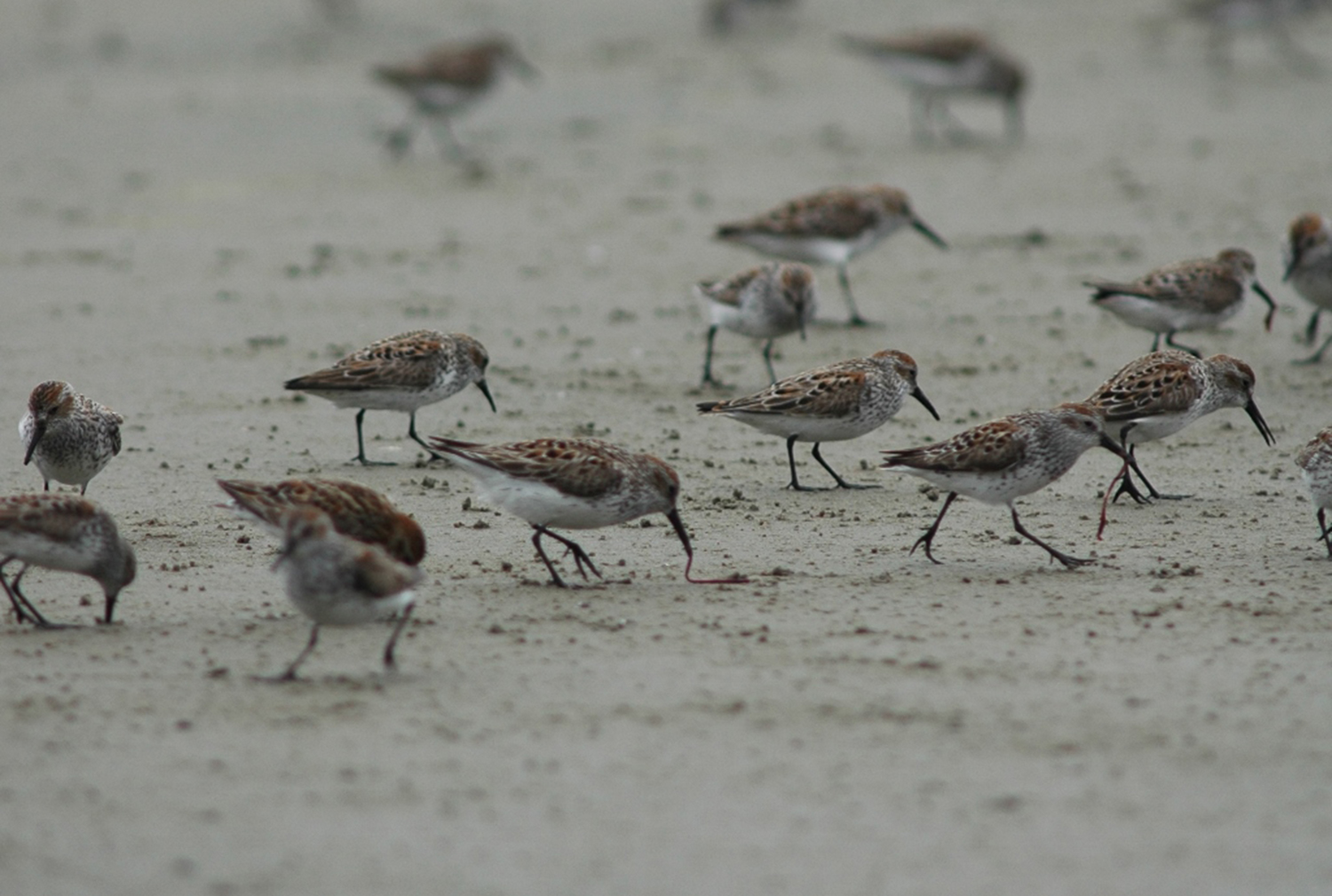
Migratory shorebirds


(Photo: S. Tyne/Parks Canada)

Pacific Rim National Park Reserve is located on the Pacific Flyway—a super highway for migratory birds connecting the tundra of Alaska and the Canadian north with the tropics and subtropics of Central and South America. Thousands of shorebirds stop on the sandy beaches of the west coast to rest and feed before continuing their journey. For resident birds and some migrants, the beaches are also where they look for mates and raise their young.

Learn more

Wild About Wolves research project
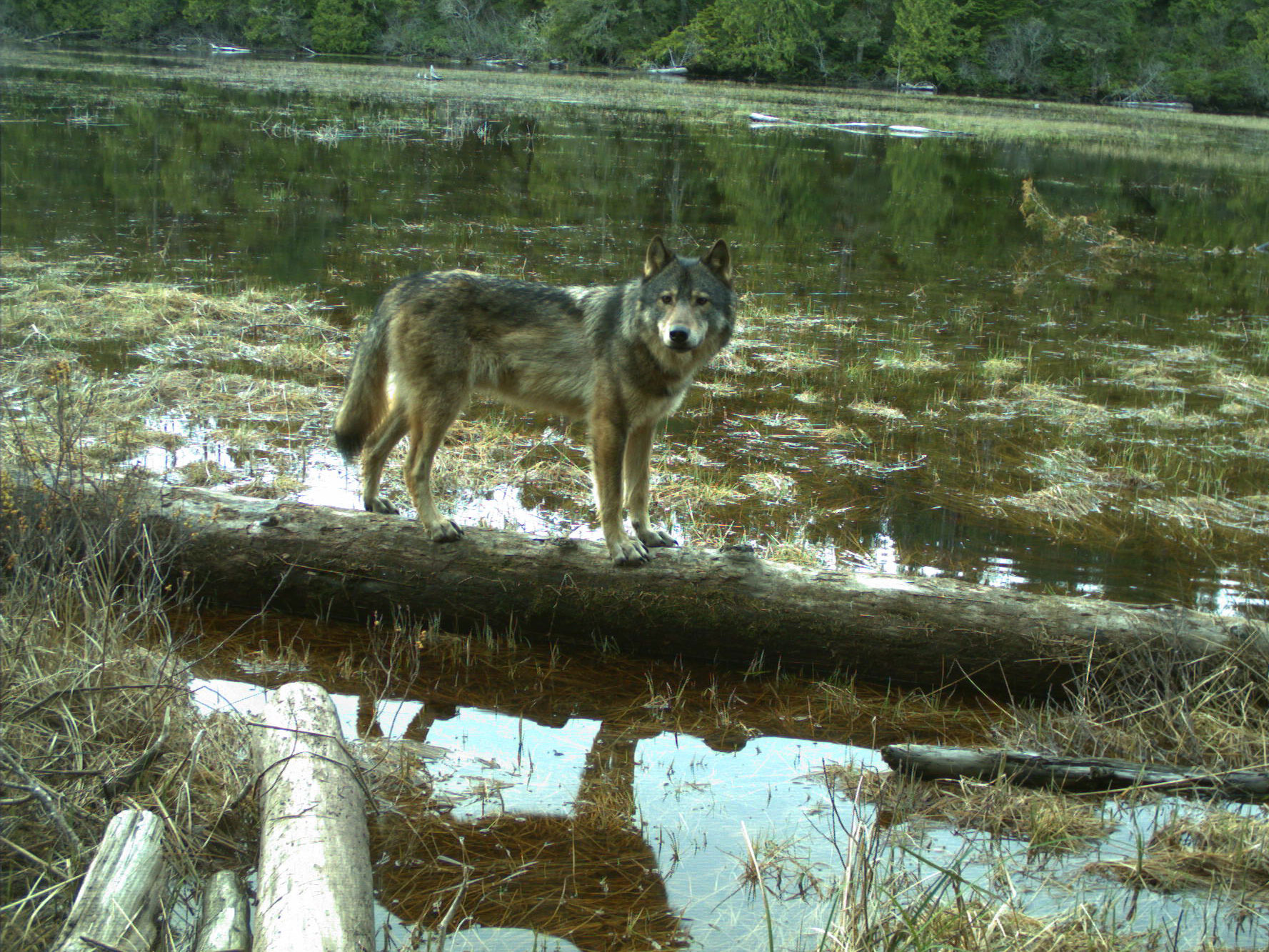

(Photo: Remote wildlife camera)

When you visit Pacific Rim National Park Reserve, you are in Qʷayac̓iik (wolf) territory. Wolves are a natural and important part of this coastal ecosystem.

To better understand local wolf populations, and how people and wolves can safely coexist, Parks Canada undertook a six year Wild About Wolves research project. While the study is now complete, ongoing monitoring and education continue to help support safe, respectful coexistence between people and wolves.


Learn more

Southern Resident Killer Whale research project
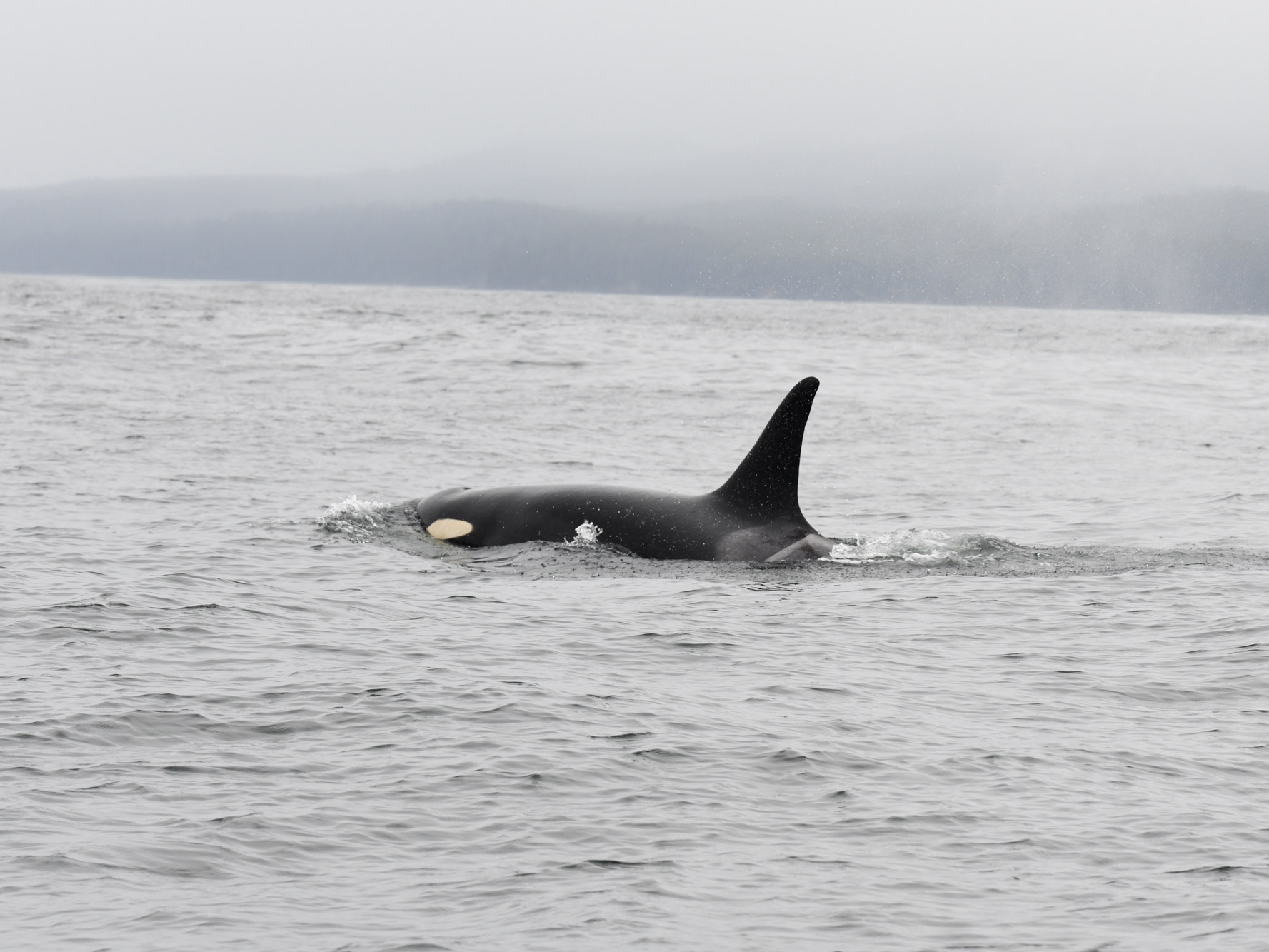
Southern Resident Killer Whale surfacing

(Photo: A Southern Resident Killer Whale surfacing)

Parks Canada, in collaboration with Fisheries and Oceans Canada, Transport Canada, Indigenous partners, non-government organizations and academia, is increasing its understanding of Southern Resident Killer Whale distribution in the marine waters of Pacific Rim National Park Reserve and how they interact with the ecosystem as a whole, keeping with the Nuu-chah-nulth principle hišukiš t̓swak (everything is one). Over the next five years, a science and monitoring program will be in place to address the three key threats to the survival of Southern Resident Killer Whales: prey availability, physical and acoustic disturbance, and contaminants.

Learn more

Date modified :