
Value of the Caribou
Wapusk National Park
Caribou and Indigenous Knowledge
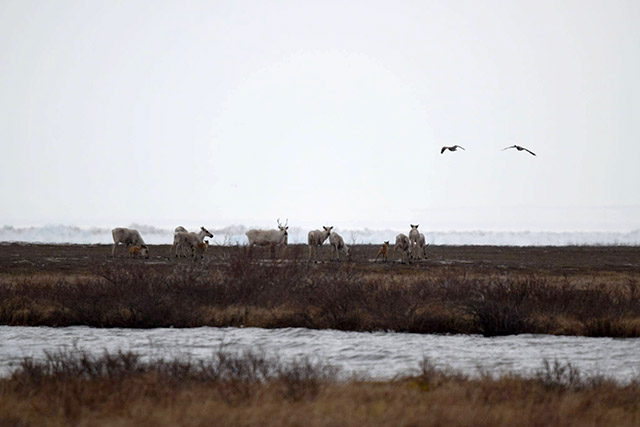
Indigenous peoples (such as Inuit, Cree, Dene and Métis) in Churchill and other areas rely upon caribou. Caribou are used for food, ceremony, clothing and more.
Members of these communities have passed down information through generations, called Traditional Ecological Knowledge. Below are some examples of this shared knowledge.
Economic value
The harvesting of caribou creates economic opportunities for Indigenous peoples. As you'll soon see, the entire caribou is used for food or as a tool. Caribou help to provide opportunities for trading and selling of parts and food.
Tool and clothing value
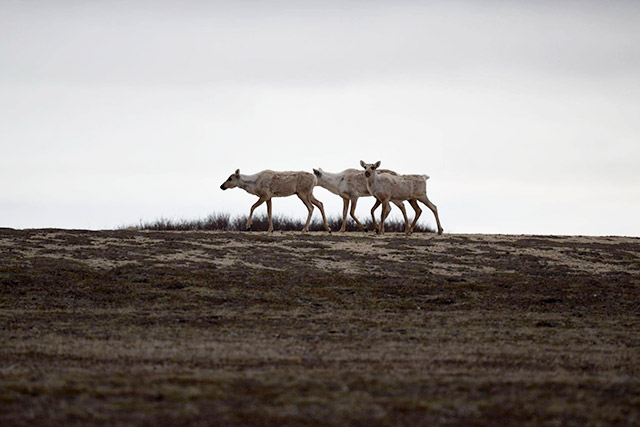
As mentioned, caribou aren't only needed for food. Parts of the caribou are used to create amazing tools, clothing and shelter.
By using the entire caribou when harvesting, Indigenous peoples can make goods and rely on sustainable and durable materials. Many carry on traditions thanks to Traditional Knowledge shared by Elders and Knowledge Keepers.
Nutritional value
Eating freshly harvested caribou, hunted in a respectful way, is much more nourishing than eating imported foods. Indigenous peoples that harvest caribou ensure that their meats are frozen properly – so the meat never goes bad and the taste stays fresh!
Cultural value
Caribou are a central part of many Indigenous peoples’ lives. Children may first be introduced to the caribou through oral traditions, where caribou take on a central part of a tales, songs, prayers and more.
Children may also recognize the importance of this animal through physical traditions such as hunting - which they'll often learn from their Elders. Elders will teach them how to harvest caribou – not only how to hunt, but how to do so respectfully.
The caribou and its migration also are key to Indigenous Knowledge. Migration patterns teach about the state of the land and how this may affect their own harvest, or the patterns of other animals in the area.
Harvesting of caribou brings communities together as hunters share their harvest. It gives communities a change to explore the land and what it offers.
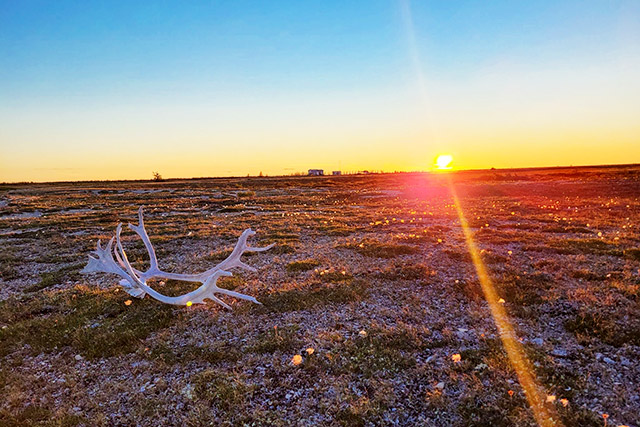
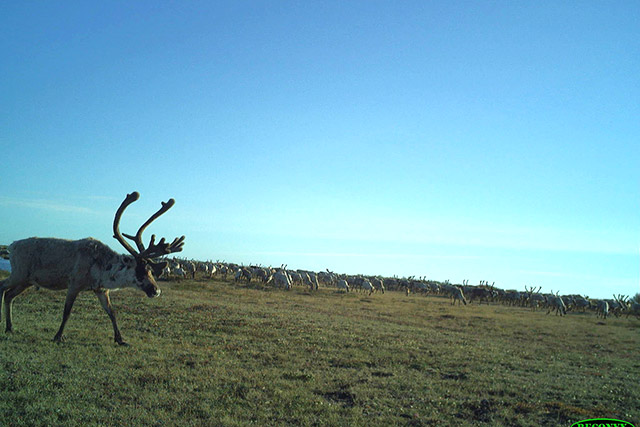
Ensuring the park and its animals are protected also means we must partner with Indigenous communities surrounding Wapusk National Park.
Parks Canada organized a series of workshops to bring together Indigenous partners (Cree, Dene, Inuit and Métis), academics and government officials to discuss the ways we can work together to protect caribou.
Here’s are some key takeaways:
- Educating the importance of respecting caribou, for both Indigenous and non-Indigenous people.
- Teaching youth how to hunt respectfully and how to not waste the harvest.
- Respecting the caribou by waiting for the first herd to pass and waiting to hunt the others.
- Removing the harm of industry (hydro, mines, roadways and pipelines).
- Inviting Elders to share their stories and teachings, such as origins of the caribou.
- Need to increase the total area of protected habitat and areas.
- Continue to identify and fill knowledge gaps with both science and Indigenous knowledge.
Parts of the caribou
Let’s see what can be made by using parts of the caribou!
Food
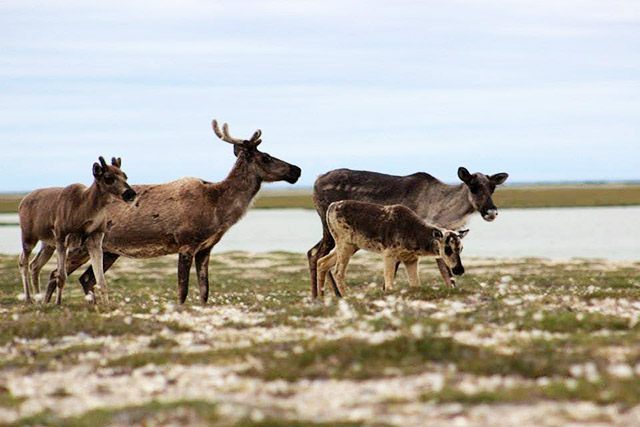
- Internal organs are cleaned and used for meat - boiled or roasted.
- Most of the flesh is cut into strips and dried. It is lightweight, compact, nutritious and does not spoil (great for trail food).
- Bone marrow (located inside the bones) is boiled to extract the bone grease. Tastes greats in broths and soups.
- Hooves are boiled to make jelly.
- The only part of the caribou that is typically not consumed are the lungs, which are used as scraps along with other food to feed dogs.
Clothing
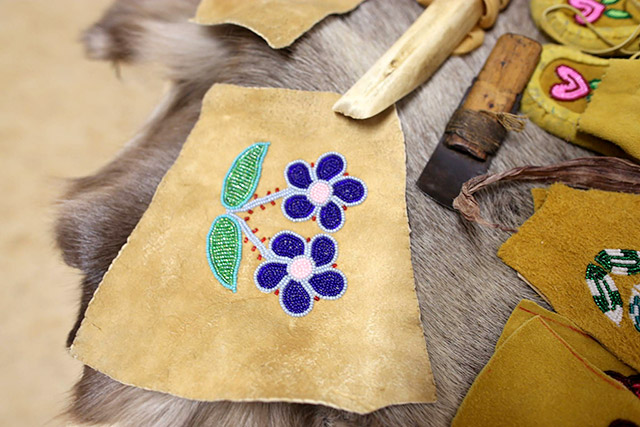
- Clothing is made from caribou hides, babiche (cord or lacing made from caribou hide) and sinew (muscle fibres).
- The stiff, crimped and hollow hair provides excellent wind protection and insulation.
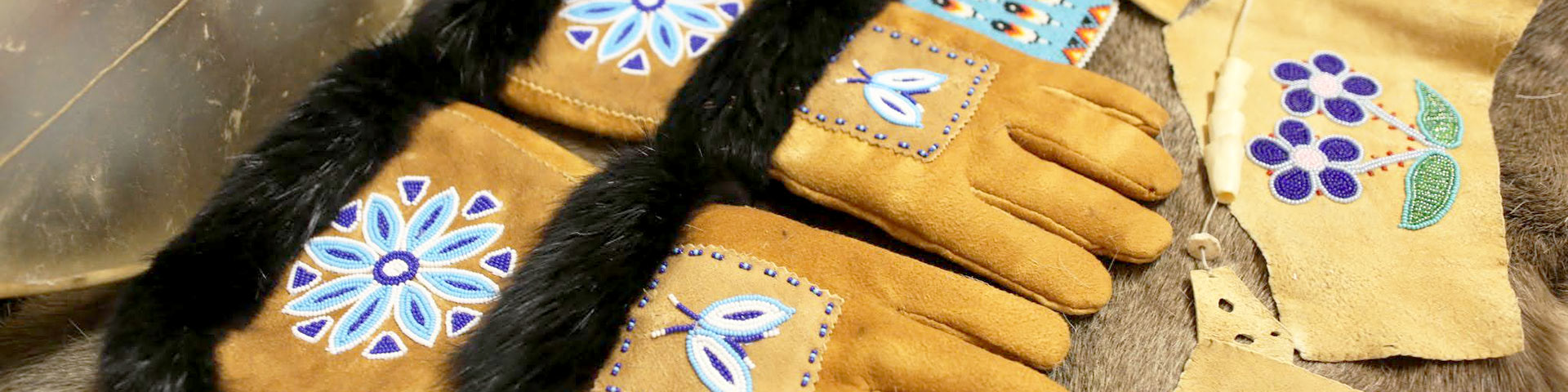
- Caribou hide can be made into parkas, shirts, pants, boots, mittens and dresses - often decorated with porcupine quills and beadwork.
- Sinew is even tougher than babiche. Made from tendon, it can be used to make bow strings, dog harnesses and ropes.
Shelter
- Winter shelters are made from caribou hides (tanned with fur on). A typical shelter uses 10 to 15 hides.
- Dried hides with fur were used as sleeping mats, robes and floor mats.
- Caribou hair can also be used in mattresses and pillows.
Have you HERD?
The best caribou pelts are collected in the fall because they do not have holes from the flies.

Tools
- Cleaned bones can be made into many different tools like knives, blades and spears.
- Bones can also be carved to make needles and fishhooks.
- Rawhide is used to make drum covers, knife cases and buckets.
- Antlers are used to make spoons, arrows, cups, knife handles and buttons.
Containers
- Caribou stomach and bladders are washed and used as storage containers for food and water.
- Stomach containers can be filled with water to be heated on hot cooking stones.
- Babiche can be woven to make mesh bags.
Interview with Heather Spence-Botelho

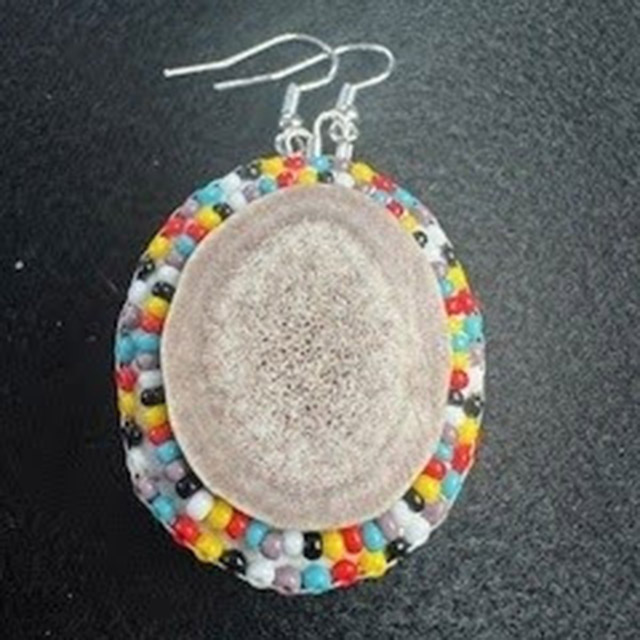
Heather Spence-Botelho is a Knowledge Weaver, whose family and ancestors harvest caribou from the Churchill region during the fall and winter seasons. She utilizes all parts of the caribou; from sharing meat with her Elders and family to traditional hide tanning and tool making from caribou legs. Heather uses the antlers of the caribou to make earrings and other art. Respectful harvesting is extremely important to Heather and she teaches youth she works with to do the same. Here’s what she had to say about caribou:
Do you remember the first time you saw a caribou?
Growing up in Churchill, caribou would come very close to the community. When I was a young girl, I remember seeing a caribou cross the road, literally! I saw Elders and hunters bring their caribou harvest home and watched as they prepped the meat to share and cook.
Could you provide examples of what you’ve made with caribou?
I’ve made some yummy caribou stir fry and my auntie has the best quick recipes, which are my favourite.
Who taught you how to do harvest the caribou and use it to make these things?
My brother, uncle and fellow hunters have taught me to hunt caribou. I go out hunting with them, which allowed me to shoot my own caribou and have them guide me on field dressing techniques.
What is your favourite thing about caribou?
My favourite thing about caribou is watching them from afar. Not every caribou I see is for hunting, but watching a single caribou or a herd is amazing to witness and watch how they migrate and work as a group.
Why does caribou matter to you?
Caribou means sustaining a traditional life in this forever evolving world. I love the natural ways of harvesting caribou for healthy lean meat as well as all the other beautiful gifts the caribou offers; hide for sewing, antlers and bones for jewellery and gifts for my friends and family.
What can we do to protect the caribou?
Respectful hunting teachings! Take only what you need, listen to your Elders, and use every part of your caribou harvest. Hunt bulls only when possible!
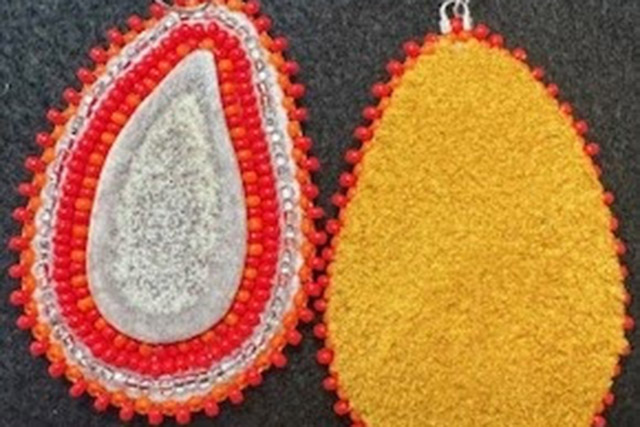
Activity: Identify the tools
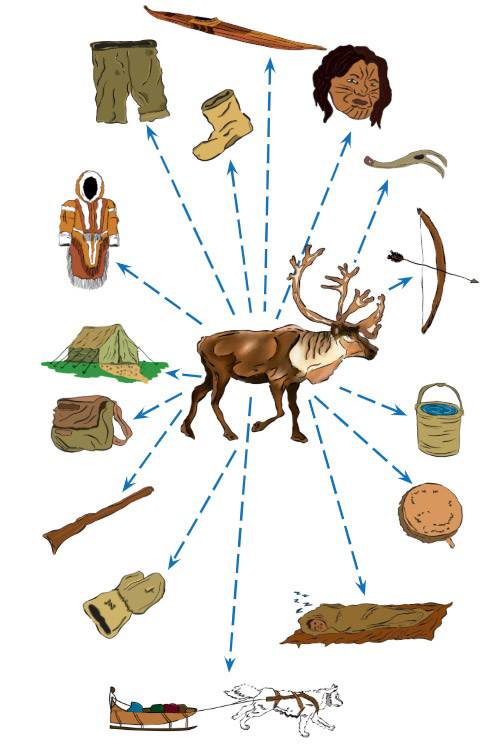
You can make many things out of a caribou!
Can you identify each tool on this page?
Answer Key
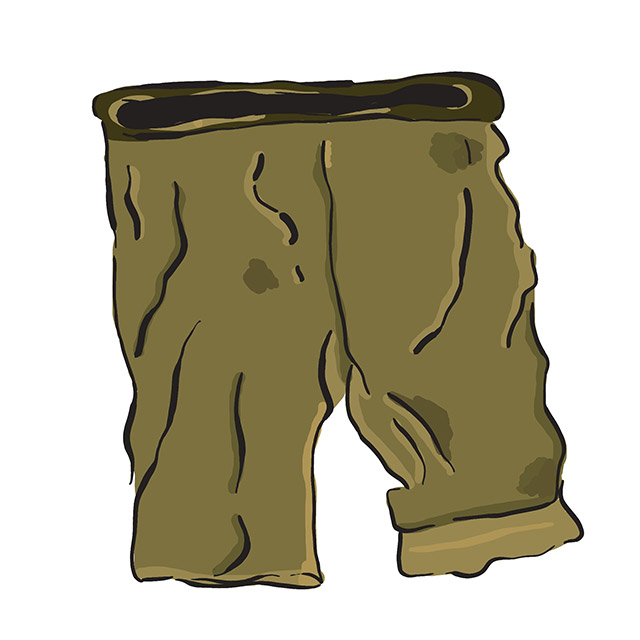
Pants: Cozy pants were made with caribou fur facing the inside or outside.
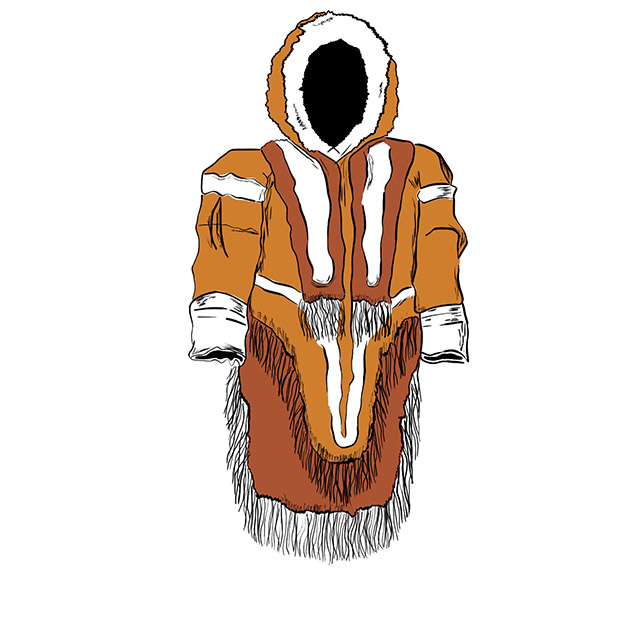
Artiggi: This is a very warm winter parka. Short hairs are used inside the parka, and the longer hairs are used on the outer layer.
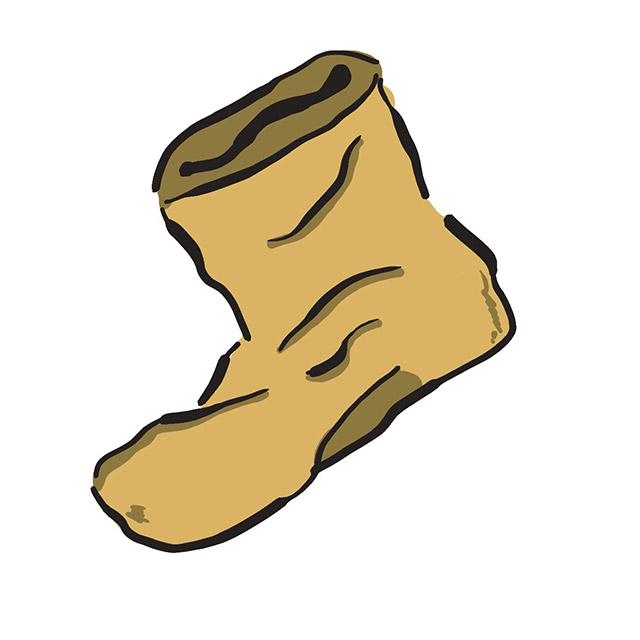
Socks: Socks were made with caribou fur on the inside to ensure they were cozy and warm.
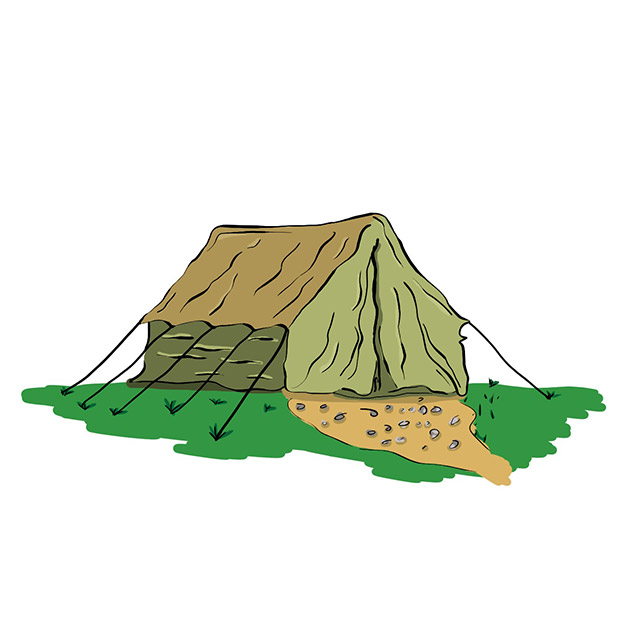
Tent: Tents were made by putting several caribou hides on top of branches used as poles to create the tent structure.
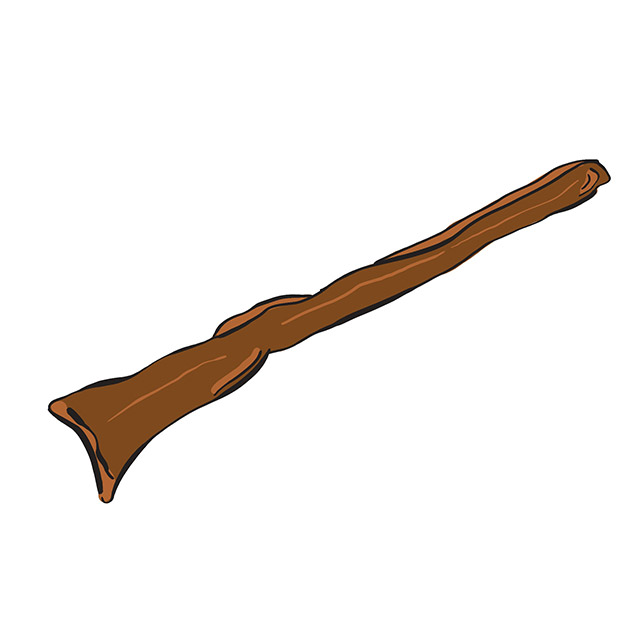
Rifle case: Cases were made with caribou hide to help protect weapons from severe weather.
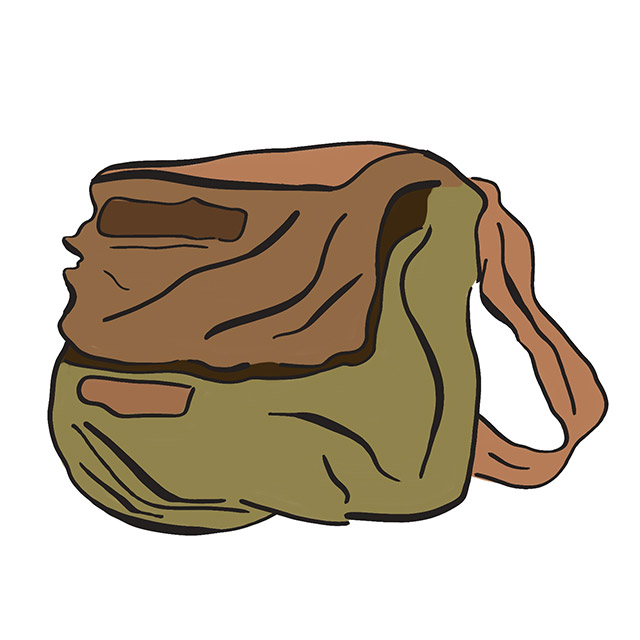
Hunting bag: This bag made of caribou hide was often filled with animals, tools and food.
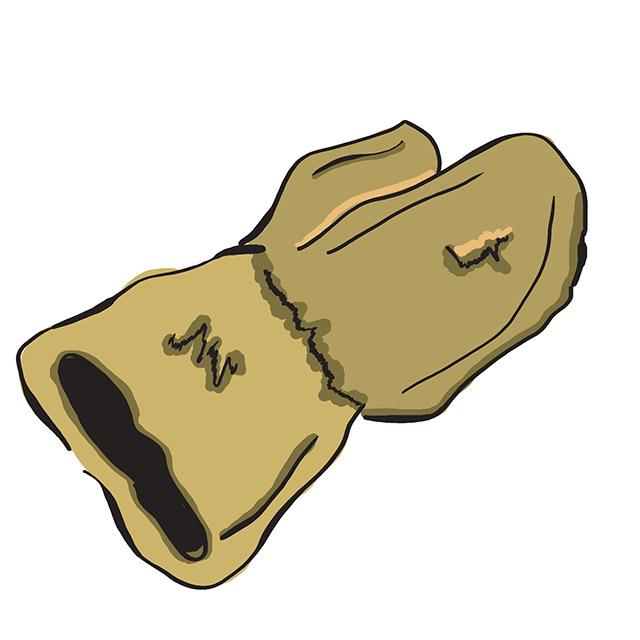
Mitts: Caribou legs are dried, scraped and sewn into mitts. Hair may also be sewn around the opening of the mitten.
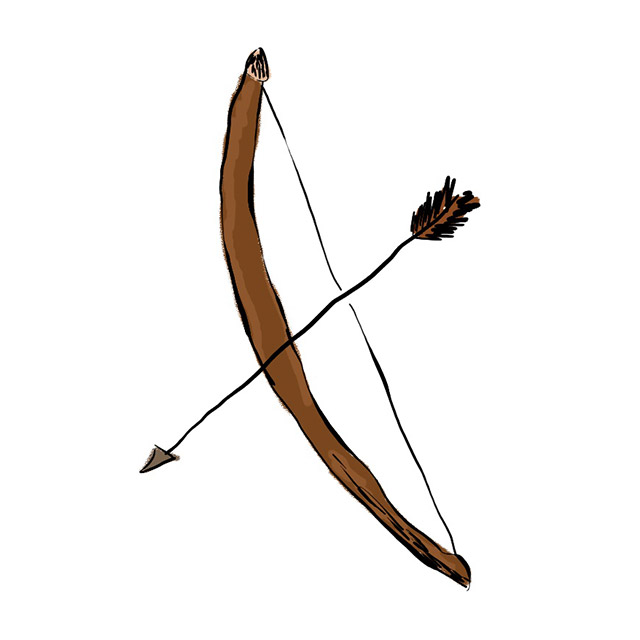
Bow & Arrow: Bows & arrows were very important when hunting. Bows were made from antlers, and antlers, bones and sinew were used to make arrows.
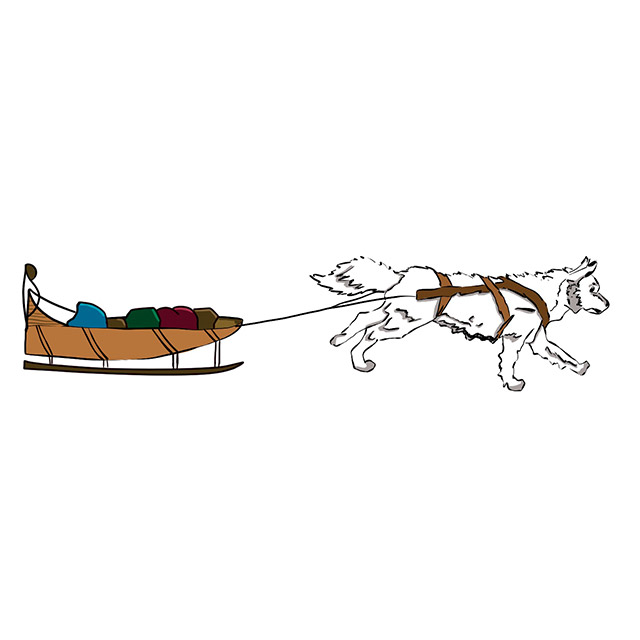
Harness: Harnesses were made of caribou skin sewn tightly together. Toboggans would also be made with caribou skins and antlers. To keep the dogs nourished, they’d often eat caribou, seal, fish and whale.
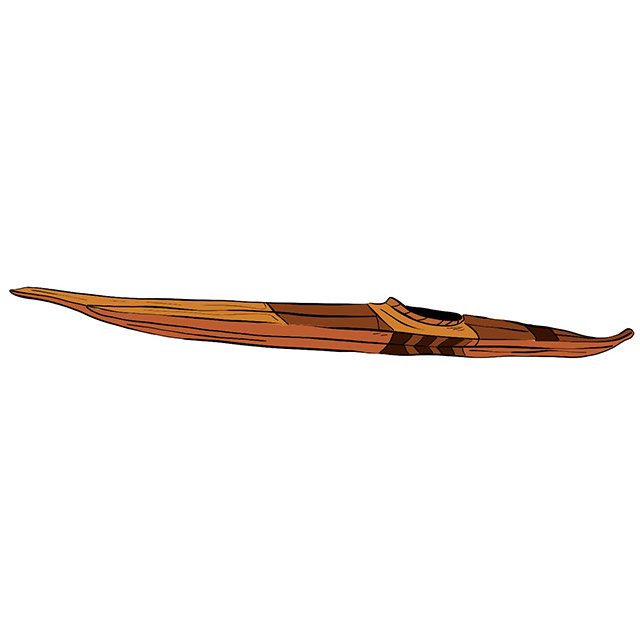
Kayak: Though the kayaks were made with branches, they were covered with caribou hide to keep the passenger warm.
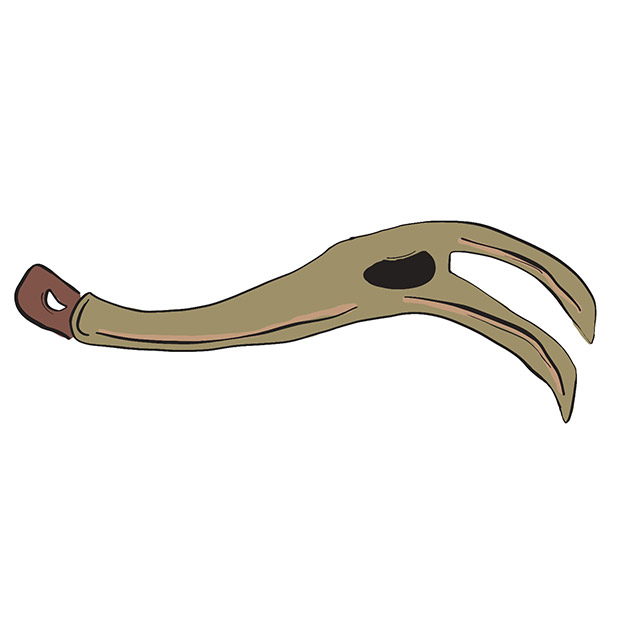
Sled anchor: Sled anchors were used to anchor sleds into ice during strong winds. They are made with caribou antlers. Antlers were also used to make bow & arrows.
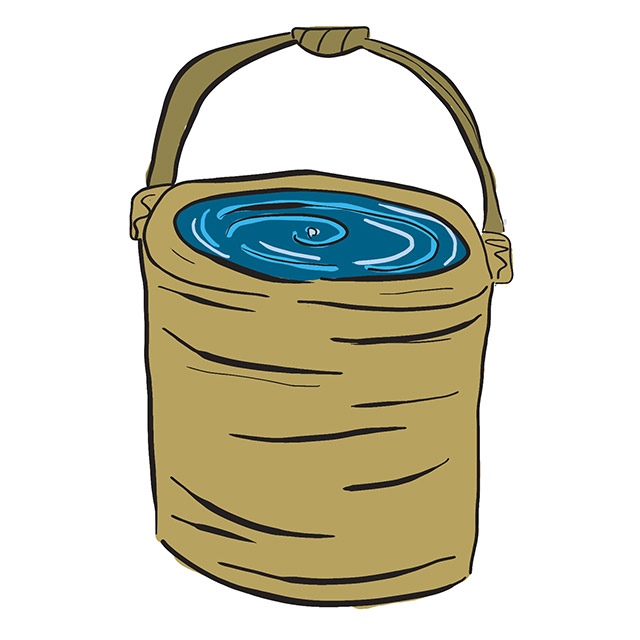
Water bucket: Made with caribou skin.
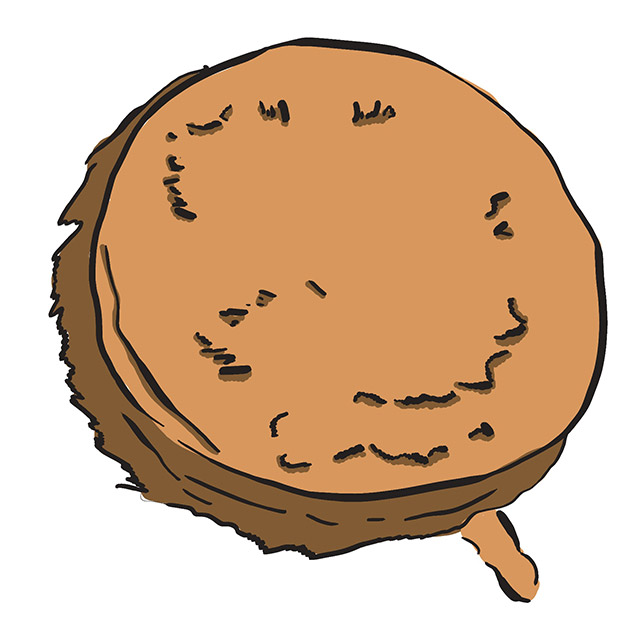
Drum: Drums are made with fawnskin – skin of a younger caribou. The hide must not have any holes and be well stretched.
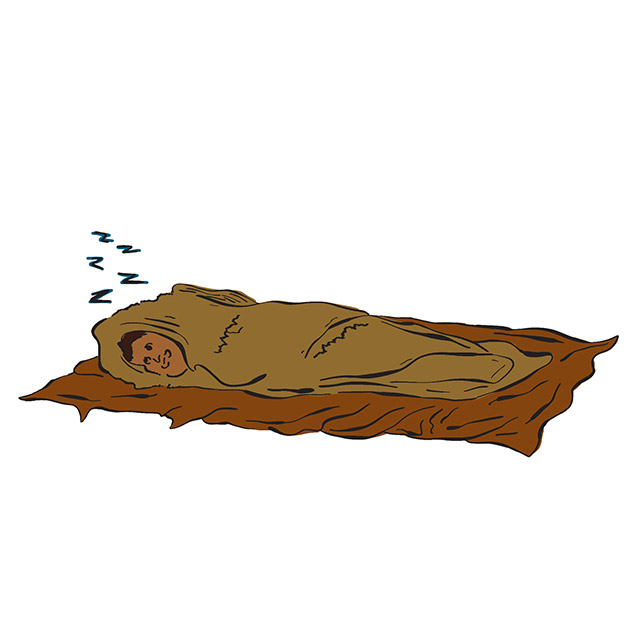
Sleeping bags: Female caribou hide are used for blankets and sleeping bags as the leather is soft.
Tattoos: The long thick muscle at the back of caribou’s legs are made into sinew, and made into threads. This thread is dipped in seal oil and soot, threaded into a needle made of caribou-bone and used to make symbolic tattoos on faces and hands with different meanings.
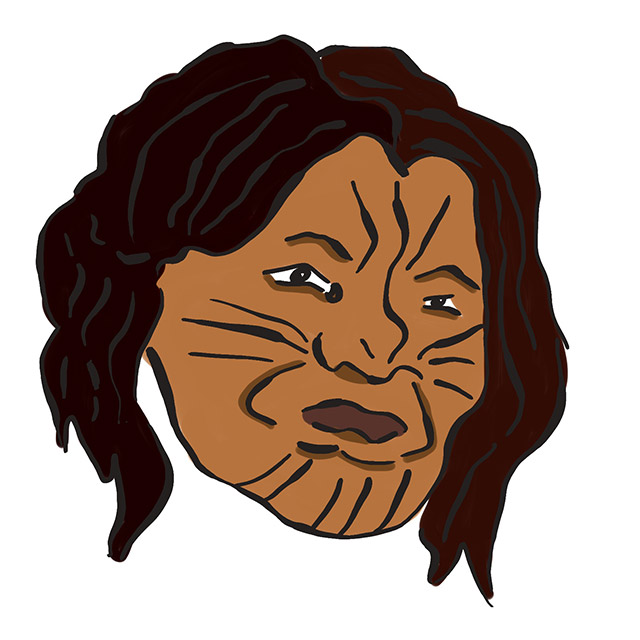
Respectful harvesting and honouring the caribou
Caribou benefit from respectful harvesting as hunters use traditional knowledge, often passed down by Elders, which detail how to hunt and harvest caribou respectfully.
Respectful harvesting includes:
- Respecting the land – knowing where hunting is permitted and leaving no trace.
- Distinguishing between bulls and cows – Bulls should be harvested rather than cows for a healthy caribou population.
- No commercial sales – as this could lead to overhunting. Only take what you need!
- Leaving no trace of your harvest – including recovering any dead or wounded animals and leaving the land and waters clean.
- Use Traditional Ecological Knowledge – to have a better understanding of the land and respectful harvesting practices.
- Harvest caribou meat carefully – to ensure every part is used.
- Use every part – nothing goes unused. Every part of the caribou can be used, either to eat, to stay warm, as shelter or as a tool.
Are there any other ways we can practice respectful harvesting?
Thank you for participating and learning about the Cape Churchill herd and Wapusk National Park.
Your work is never done, continue to educate yourselves to help protect this amazing animal!
For more information about the Caribou that calls Wapusk National Park home and the current work to protect their habitat, please visit our website.
This EduKit is the result of collaborative efforts to inform and educate about caribou in the Greater Wapusk Ecosystem, a goal established during the caribou workshops. It was made possible thanks to collaborative research and knowledge sharing from Parks Canada, the Government of Canada, the Government of Manitoba, the University of Saskatchewan, York Factory First Nation, Fox Lake Cree Nation and the Manitoba Métis Federation.
- Date modified :