

Caribou conservation
Wapusk National Park
Caribou are an essential part of the northern Manitoba ecosystem and vital to northern communities. Deeply valued within Indigenous cultures, the caribou remains connected to Indigenous values and ways of life and continue to support community wellbeing. Caribou provide food, clothing, tools and more. However, across much of Canada, many caribou populations are in decline. Wapusk National Park, along with regional community members, are currently co-developing strategies on how to sustain healthy caribou herds in the region.
Manitoban herds
Caribou found in Wapusk belong to one of two designatable units (DU), or populations: the barren-ground (DU 3) and eastern migratory (DU 4) populations. Within the eastern migratory population, the Cape Churchill herd is the most commonly observed caribou in Wapusk National Park. From the Barren-ground population, the Qamanirjuaq herd migrates into Northern Manitoba and can occasionally be found as far south as the park.
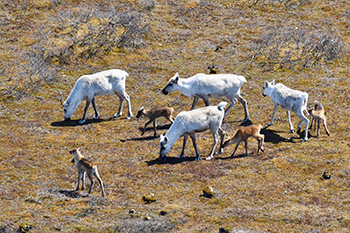
Cape Churchill herd
Data for the Cape Churchill herd suggests that population size has fluctuated between 1,000 and 3,000 animals over the past 25 years. The Cape Churchill herd is a unique forest-tundra ecotype with a large portion of its range contained within Wapusk National Park. During the winter, the herd occupies the southwestern portion of the park’s boreal forest, where forest cover provides shelter from harsh subarctic conditions. In summer, they migrate nearly 200 kilometres to their calving grounds on the tundra, found near the northern shores of the park at Cape Churchill.
Qamanirjuaq herd
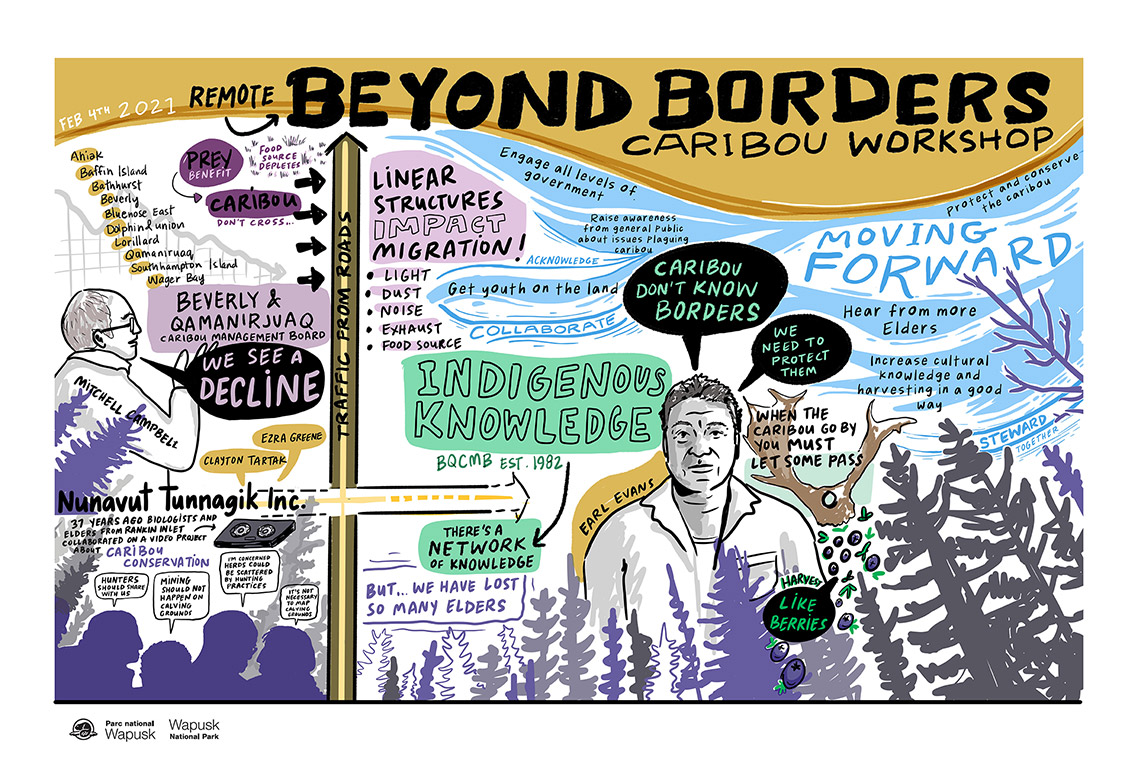
The Qamanirjuaq herd is a larger herd with an estimated population of 235,000 caribou in 2022. Despite seeming to have a healthy population, the herd has been on a steady and significant decline for more than three decades as population estimates suggested nearly 500,000 animals in 1994. This herd occupies a large range spanning Manitoba, Saskatchewan, Nunavut and the Northwest Territories, and calves in the vicinity of Qamanirjuaq Lake in Nunavut.
Threats to Caribou
Caribou in Wapusk National Park face a range of pressures from both human activities and natural factors. Potential threats include climate change, habitat disturbance, harvesting, predators, wildfire, disease, parasites, and changing environmental conditions, all of which can influence caribou survival, behaviour, and habitat use.
Climate change
Although caribou are resilient and have adapted to living in harsh climates, they are not immune to the effects of climate change. Some changes are already occurring, including earlier snowmelt, later onset of winter and warmer temperatures. In the coming decades, climate change is expected to affect caribou in several ways. For example, rising temperatures are likely to increase the period of insect harassment. When insects are abundant, caribou often form larger groups, or move to windy areas, to reduce exposure. This response can increase energy expenditure and reduce feeding time, which may negatively affect overall condition.
Climate change is also expected to increase the frequency and extent of wildfires. Wildfires can cause significant impacts by reducing forest cover in overwintering areas and by removing lichens, a primary food source for caribou. Some studies suggest that lichens do not recover from wildfires for close to 75 years.
Harvesting
Harvesting caribou is vital to sustaining northern communities and Indigenous cultures. Challenges remain in ensuring harvesting is sustainable and conducted using appropriate practices. The exact impact of harvesting is unknown; however, both scientific and Indigenous Knowledge indicate that reducing harvesting pressure can support herd recovery.
Predators
Wolves are the main predator of caribou across Canada. In Wapusk National Park, polar bears, grizzly bears, black bears, lynx and wolverines are also known to prey on caribou or scavenge animals killed by other factors.
Habitat loss
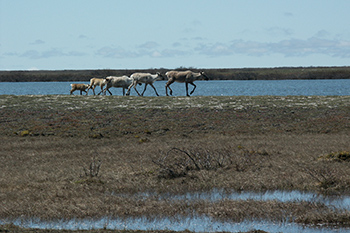
Habitat loss is widely recognized as one of the main drivers of caribou population declines. Human activities such as mining, logging, oil and gas development, power transmission, settlements, cabins, roads and trails can disrupt caribou habitat. Some studies suggest that caribou will avoid these different types of disturbances on the landscape for up to 23 km. Linear features such as roads, trails and power lines can alter movement patterns, delay migration, and increase energy use, potentially reducing the time caribou spend in suitable habitat. Caribou are particularly sensitive to human disturbance, and the cumulative effects of habitat loss are believed to have contributed to population declines across Canada.
Conservation efforts
Habitat protection
Wapusk National Park protects the natural landscape, ecosystems and biodiversity of the Hudson James Bay lowlands natural region. By protecting 11,475 square kilometres, the park helps conserve important calving grounds, migration routes and overwintering habitat for caribou. Protecting caribou and their habitat also protects many other plants and animals in their ecosystem. Wapusk National Park also supports the establishment of additional protected areas in Northern Manitoba, including Indigenous Protected and Conserved Area proposals through the Nature Legacy and Canada Nature Funds. Together with Canadians, we are conserving 30% of our lands and 30% of our oceans by 2030.
Research and monitoring
Parks Canada conducts a range of research and monitoring activities to better understand caribou populations in Wapusk National Park and the broader ecosystem. These efforts are carried out in collaboration with Indigenous partners, local communities, academic researchers, and other agencies, supporting a shared approach to knowledge gathering and stewardship.
Monitoring in Wapusk currently focuses on three main areas. First, a large-scale trail camera project, delivered in collaboration with the University of Saskatchewan and the Manitoba Métis Federation, is used to better understand caribou distribution across the landscape. These cameras help identify when and where caribou are present, while also providing information on other wildlife species and seasonal patterns of use.
Second, aerial surveys are conducted to estimate population size and assess population composition. These surveys provide important information on recruitment by tracking the proportion of calves within the population at different times of year. This helps indicate whether populations are stable, increasing, or declining over time.
Third, a newer initiative involves the collection of caribou scat samples in collaboration with local partners and Environment and Climate Change Canada. This work supports genetic analysis to better understand population structure, connectivity, and movement patterns across the region.
Together, these monitoring efforts provide a stronger understanding of caribou ecology in Wapusk and help inform ongoing conservation and management decisions.
Caribou workshop
About the workshops
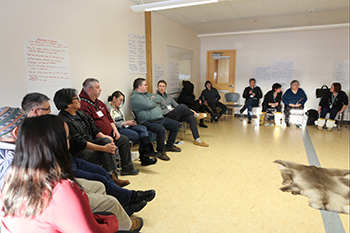
Effective caribou conservation requires cooperation and coordination from various partners and communities. Parks Canada has organized a series of workshops to bring together Indigenous partners (Cree, Dene, Inuit and Métis), government stakeholders (Environment and Climate Change Canada, Parks Canada, provincial and territorial representatives), academic researchers and local community members to share Indigenous and Local Knowledge and western science perspectives surrounding caribou in Wapusk National Park and the Greater Wapusk Ecosystem. The first workshop was held face-to-face in February 2020, and the second virtually in February 2021.
The goal of the workshops is to strengthen and form new relationships, highlight areas of concern, identify knowledge gaps and outline priority actions for effective caribou monitoring and management. Indigenous voices and knowledge systems were woven throughout the workshop and brought forward a set of diverse themes that helped identify conservation priorities. Participants identified opportunities to support biological and culturally appropriate methods of conservation as well as ways to advance reconciliation through conservation efforts. Wapusk National Park is looking forward to continuing to develop this framework with its partners. Parks Canada is committed to collaborative planning at the landscape scale, respecting Indigenous rights and knowledge systems and creating opportunities for Indigenous stewardship. Representatives from the following communities and organizations have attended past workshops: The workshop focused on discussing collaborative solutions and actions to ensure the protection of the Cape Churchill and Qamanirjuaq caribou herds. During the most recent workshop in 2021, five key themes emerged through discussions as critical to ensure effective caribou conservation: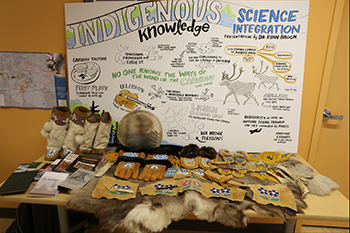
Workshop attendees
Workshop outcomes
2020 infographic slides
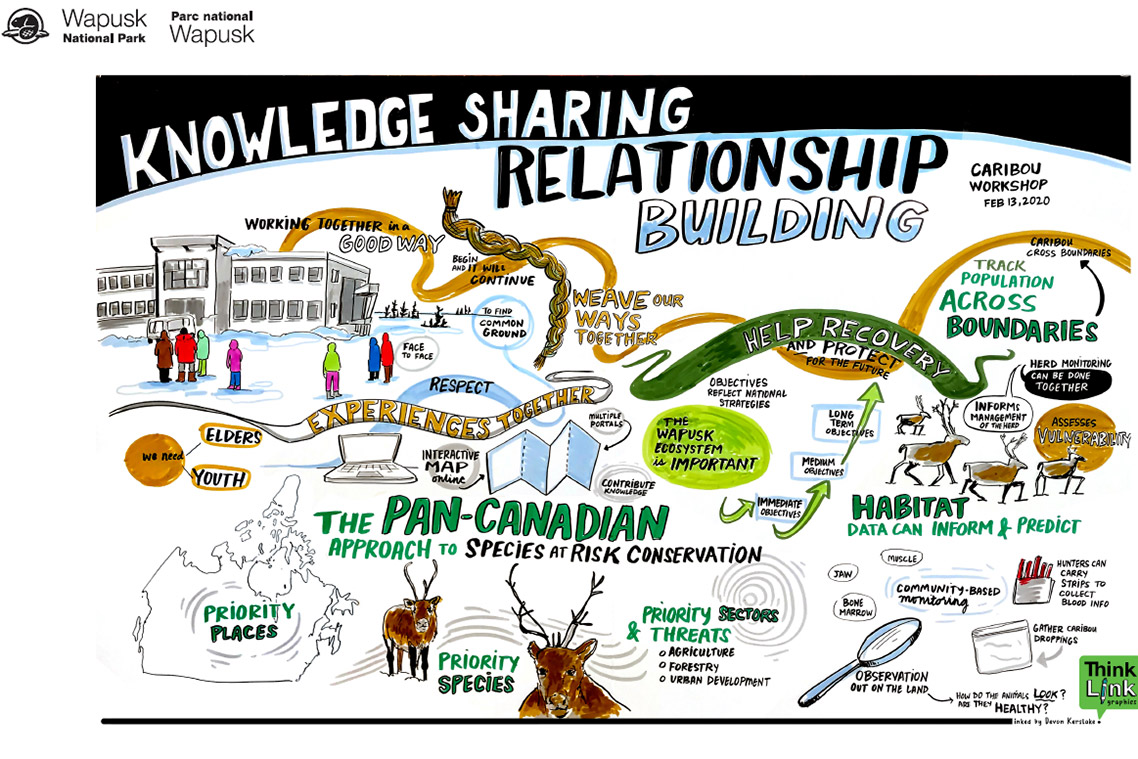
Image description

Image description
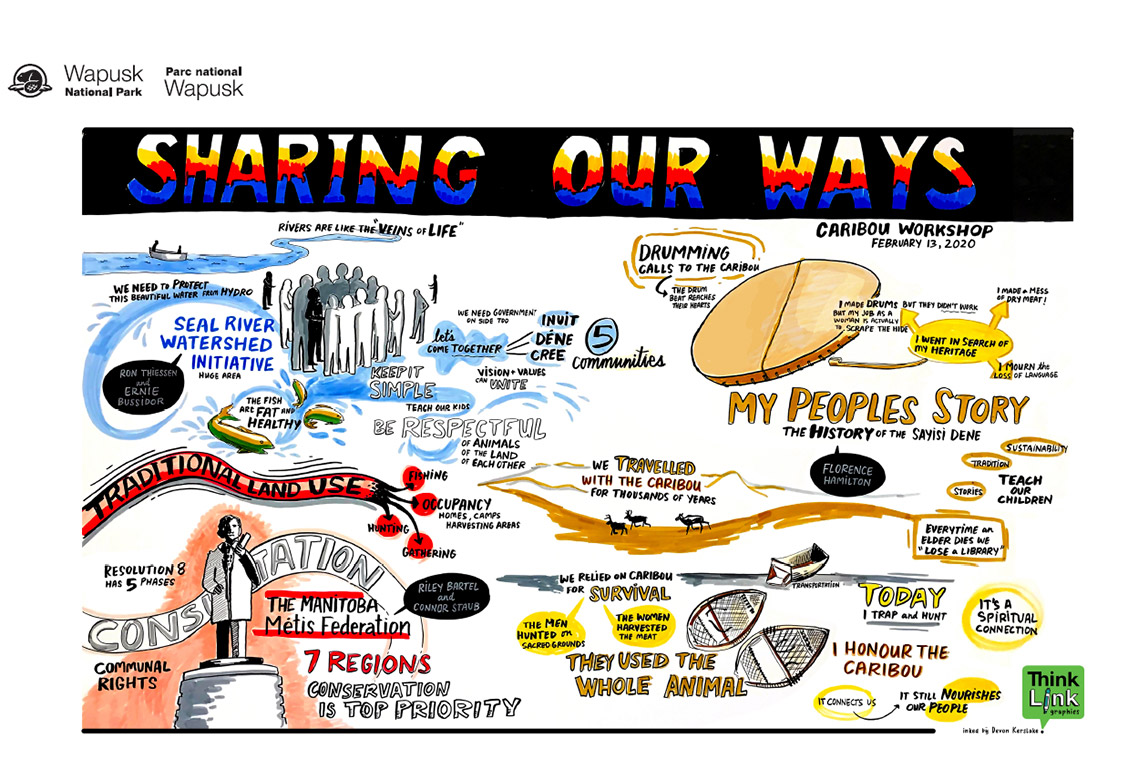
Image description
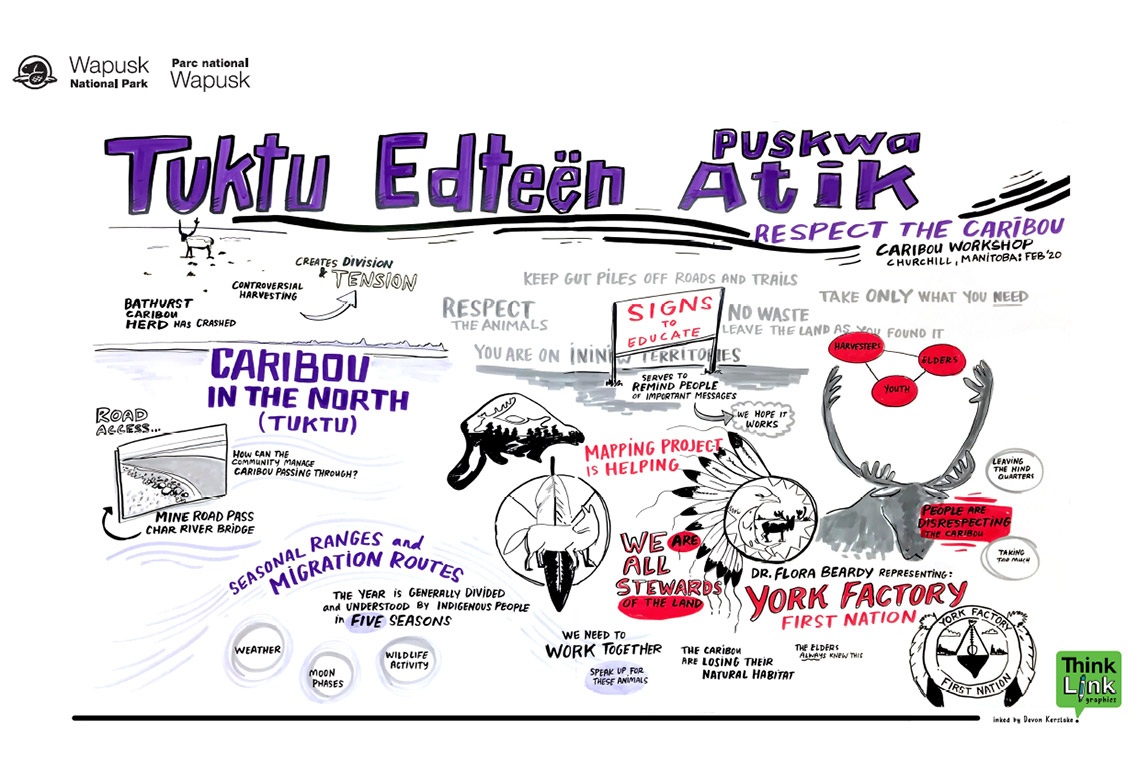
Image description
2021 infographic slides
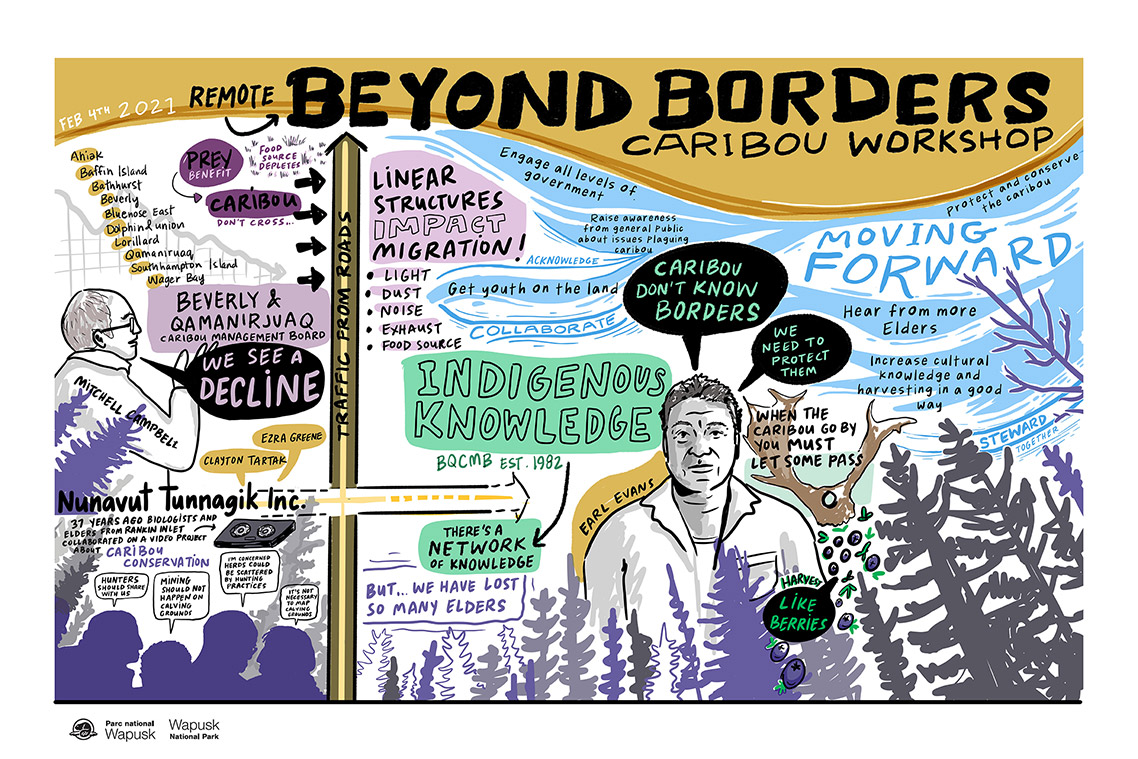
Image description
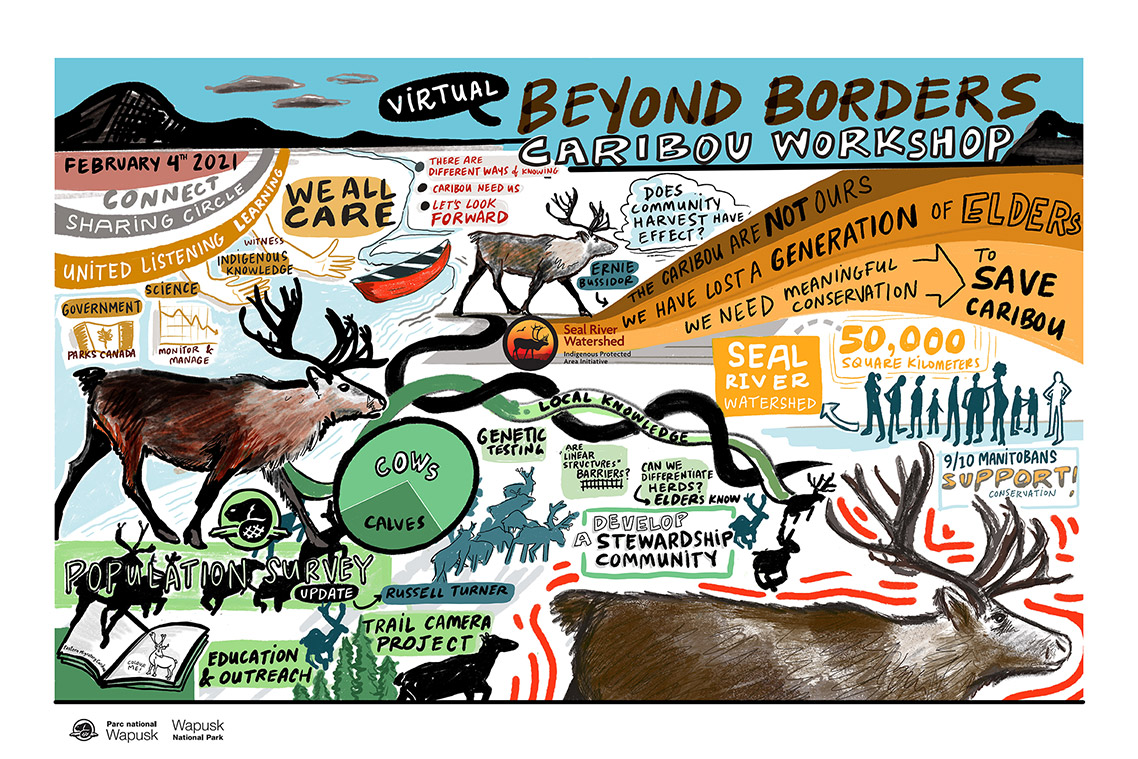
Image description
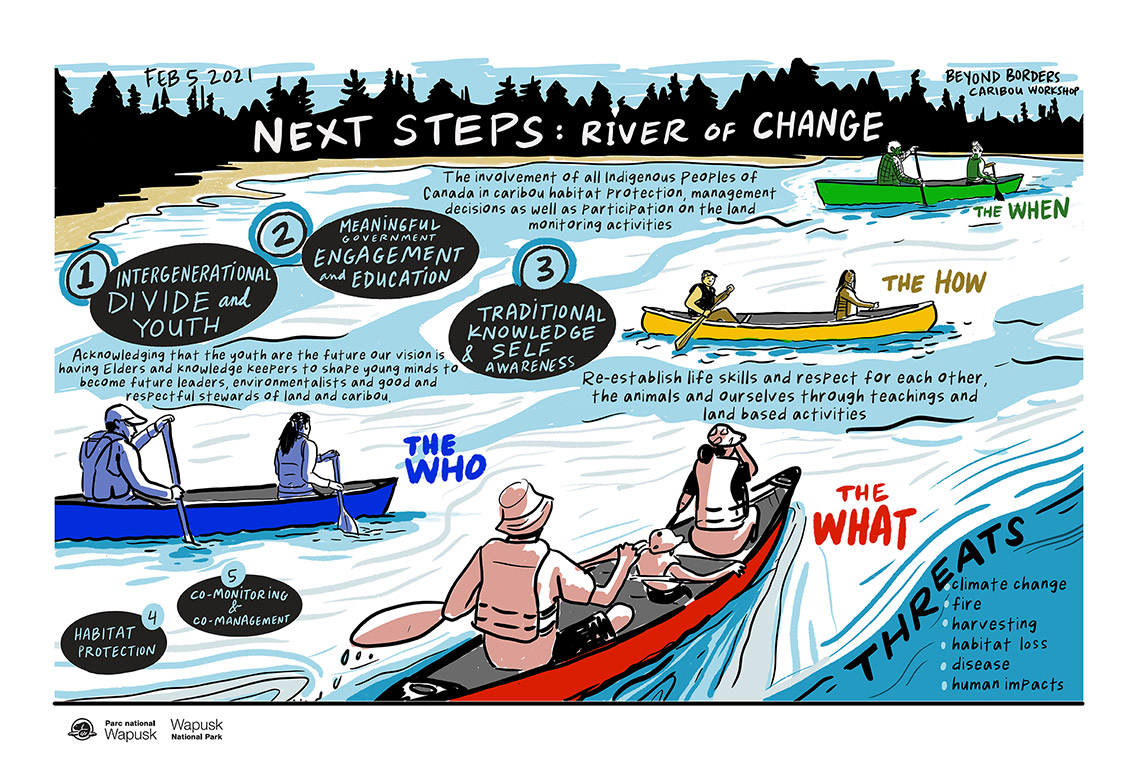
Image description
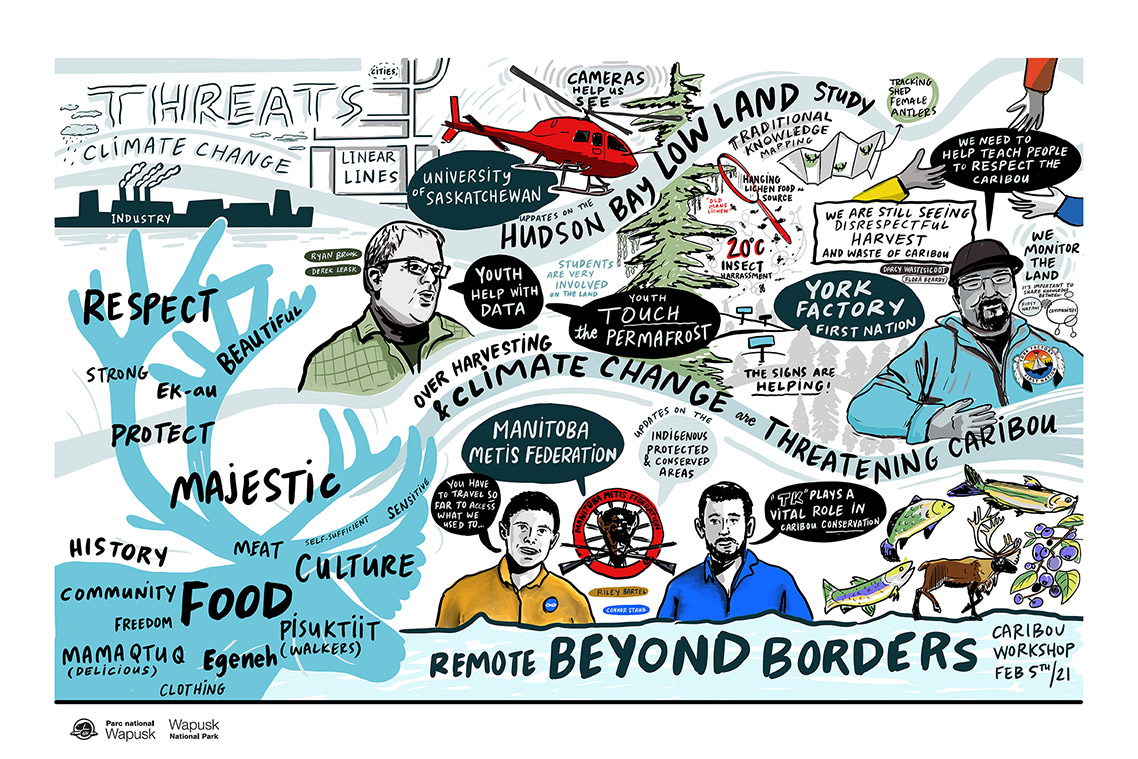
Image description
Related links
- Date modified :