
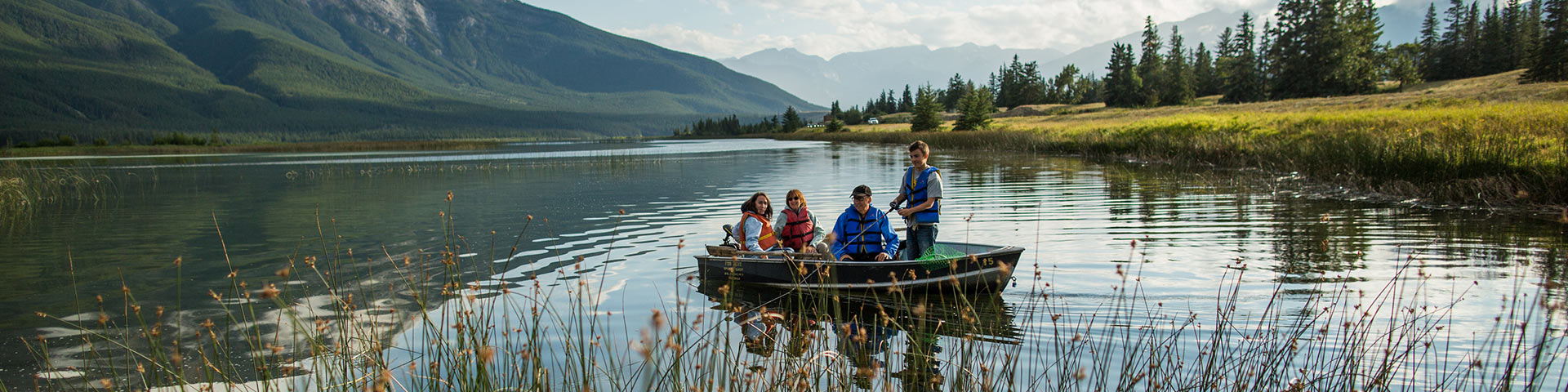
Protect park waters: preventing aquatic invasive species
Aquatic invasive species (AIS) are plants, animals, and other organisms introduced into a new waterbody outside of their natural range. They spread quickly, have few natural predators, and can harm native fish and plants. Some AIS have already been found in the mountain national parks. They threaten healthy ecosystems, clean water, and activities people enjoy, such as paddling, fishing, and boating.
Parks Canada is taking action to protect lakes and rivers in the mountain national parks. Since 2017, Parks Canada has adaptively managed and prevented the spread of aquatic invasive species in the mountain national parks through aquatic monitoring, permitting and inspections, education, and regulations.
Parks Canada is advancing the next phase of adaptive management by implementing a coordinated, regionally consistent Mountain National Parks Aquatic Invasive Species Prevention Strategy that will now guide how water activities are managed in the region. This strategy is based on science and on how visitors use lakes and rivers in the mountain national parks. It helps protect sensitive ecosystems while continuing to offer safe and enjoyable water recreation.
New water activity zones
Under the new strategy, lakes and rivers are grouped into three zones. Each zone has different regulations and permitting requirements for water activities.
Water Recreation Zones
- These zones include many popular lakes and rivers.
- Water activities can continue.
- Existing AIS prevention regulations and permits still apply.
Water Preservation Zones
- These zones include sensitive ecosystems that need extra protection.
- Only activities with a very low risk of introducing AIS are allowed.
Special Tactics Zones
- These zones are complex waterbodies and need site-specific tactics to meet their unique needs.
- For example, special regulations apply at Lake Minnewanka in Banff National Park, Waterton Lakes Chain, Waterton River, and Cameron Lake in Waterton Lakes National Park.
- Visit each park’s website for details.
What Visitors Need to Do
Know before you go
Before visiting a lake or river, check:
- Which zone it is in
- What activities are allowed
- Whether you need a permit
Preventing aquatic invasive species is everyone’s responsibility. Parks Canada, Indigenous partners, local communities, visitors, and businesses must work together to protect park waters.
Discover Water Activities in the Mountain National Parks
The Aquatic Invasive Species Prevention Strategy and Water Activity Zones with associated aquatic equipment restrictions will come into effect in Spring 2026. This is being introduced in a phased approach, so further information about park-specific zoning and information will be shared as it becomes available. For more information and to stay up-to-date about the park-specific requirements, see these websites:
- Date modified :