
Reintroduction of the Gulf of St. Lawrence Aster
Kouchibouguac National Park
The Gulf of St. Lawrence Aster (Symphyotrichum laurantianum) is a rare coastal plant found only in select parts of the southern Gulf of St. Lawrence. Once considered lost from Kouchibouguac National Park, this delicate species has recently been successfully reintroduced.
A plant adapted to coastal conditions
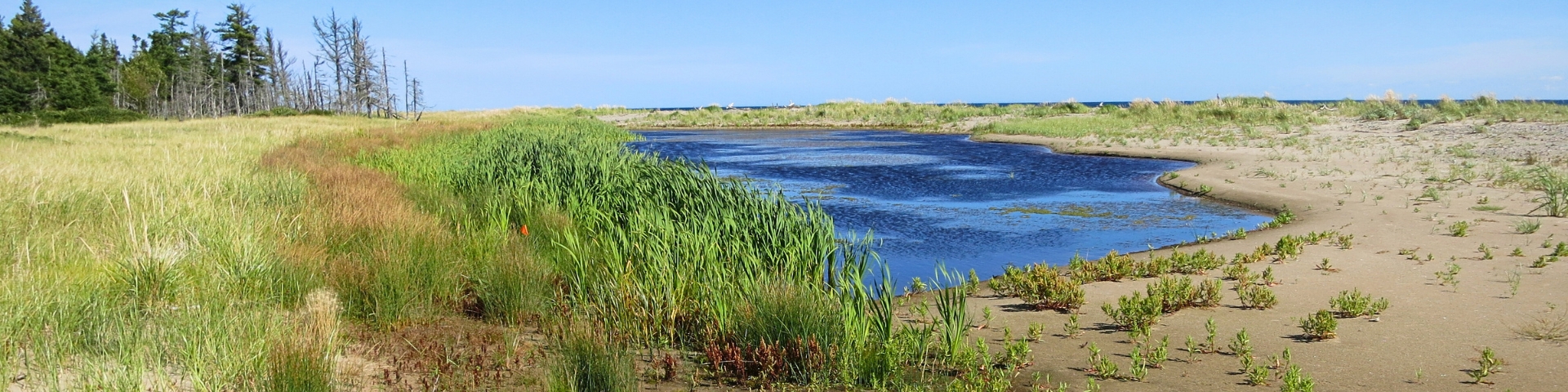
The Gulf of St. Lawrence Aster is a small, fragile coastal plant found only in the specific costal regions of the southern Gulf of St. Lawrence. It grows in brackish sand or mud along sheltered salt marshes, in dune slacks, or on sandy beaches in protected coves.
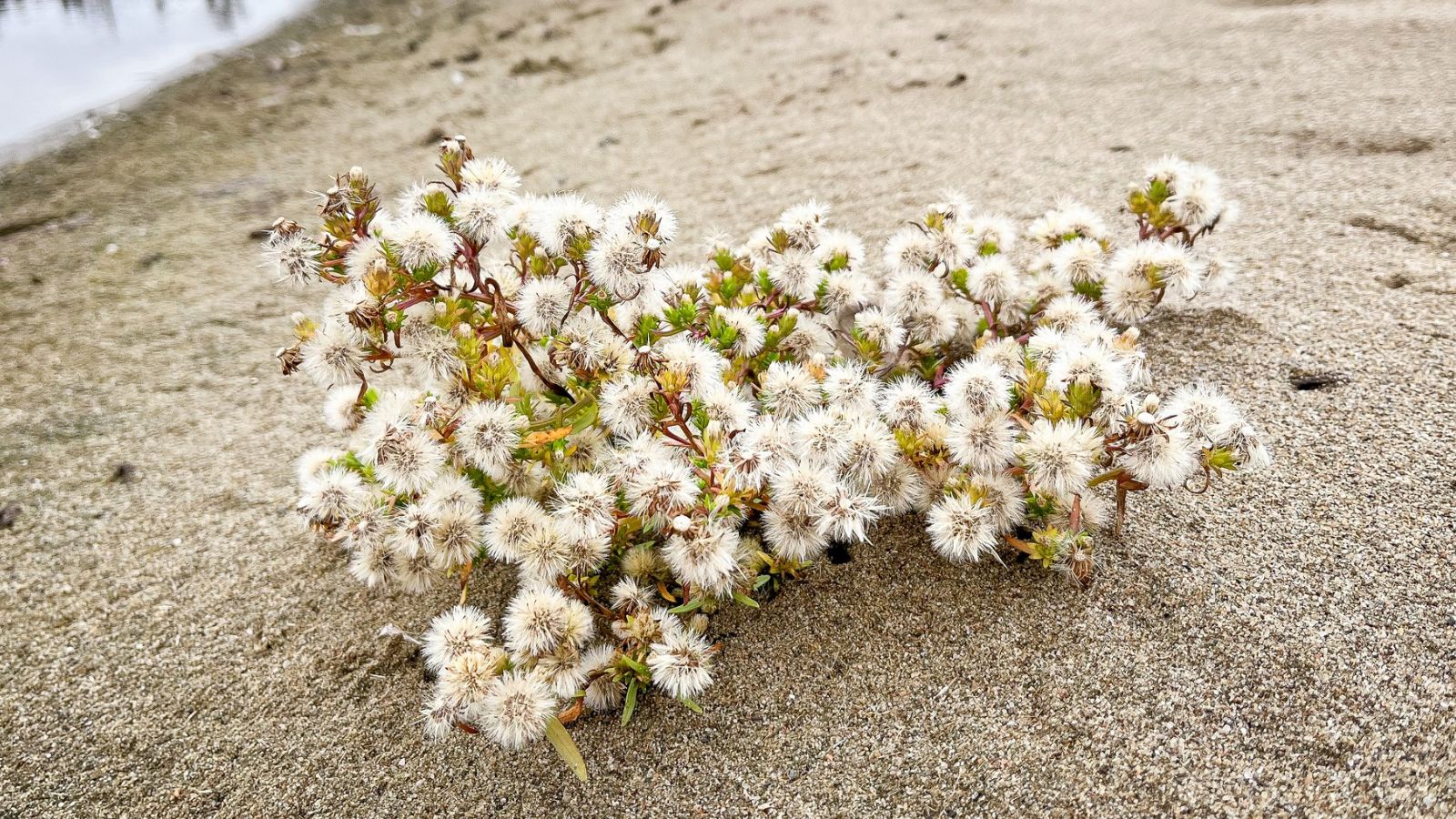
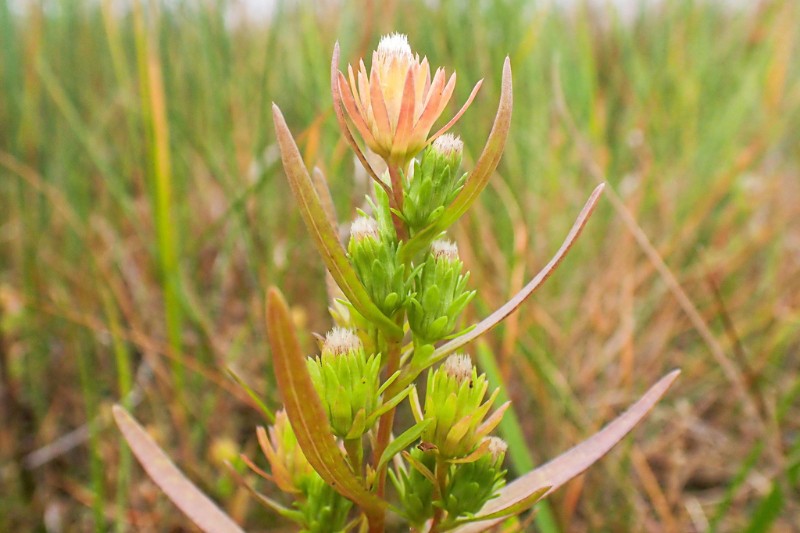
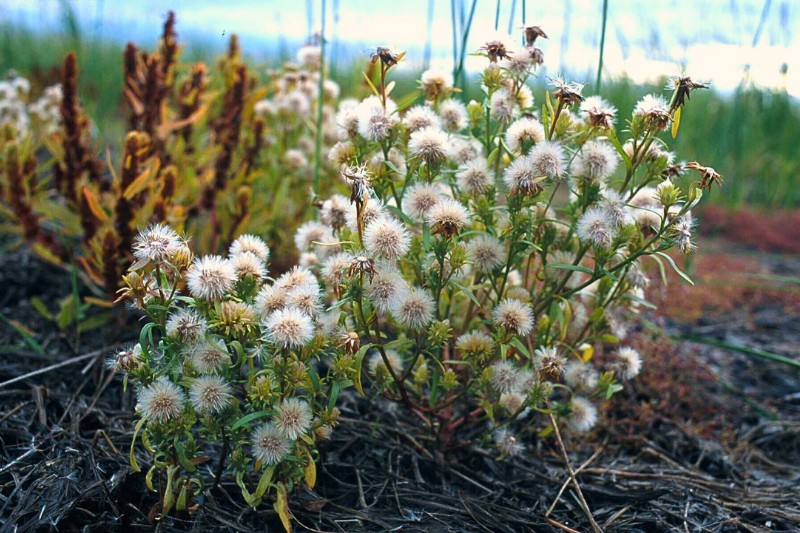
Although some plants can reach up to 40 cm in height, most are only 3 to 5 cm tall. The aster has smooth, elongated leaves and small flower heads that vary from whitish to pinkish. It produces dry fruits called achenes, which are dispersed by wind using fine, hair-like tufts, similar to dandelions. The Gulf of St. Lawrence Aster typically flowers in late summer to early fall.
The Gulf of St. Lawrence Aster is one of the few plant species to have originated in this region after glaciers retreated roughly 10,000 years ago. Its future depends heavily on how sea-level rise and climate change unfold in the Gulf of St. Lawrence.
A rare and endangered species
This rare plant is endemic to the southern Gulf of St. Lawrence, meaning it is found nowhere else in the world. Documented populations exist only in Quebec's Magdalen Islands, along New Brunswick's eastern shore, and on Prince Edward Island's north shore.
Most of the remaining populations are concentrated in the Magdalen Islands, with only a few known sites in the Maritimes. Over the past few decades, nearly half of all reported populations in New Brunswick have been lost. As a result, the Gulf of St. Lawrence Aster is listed as Threatened under the Species at Risk Act (SARA) and is protected by federal law.
Habitat
The Gulf of St. Lawrence Aster depends on specific coastal habitats such as lagoon shores, dune slacks, and dry sections of salt marshes. It thrives in moist, sandy soil on gently sloping ground just above the high-water line where vegetation is sparse.
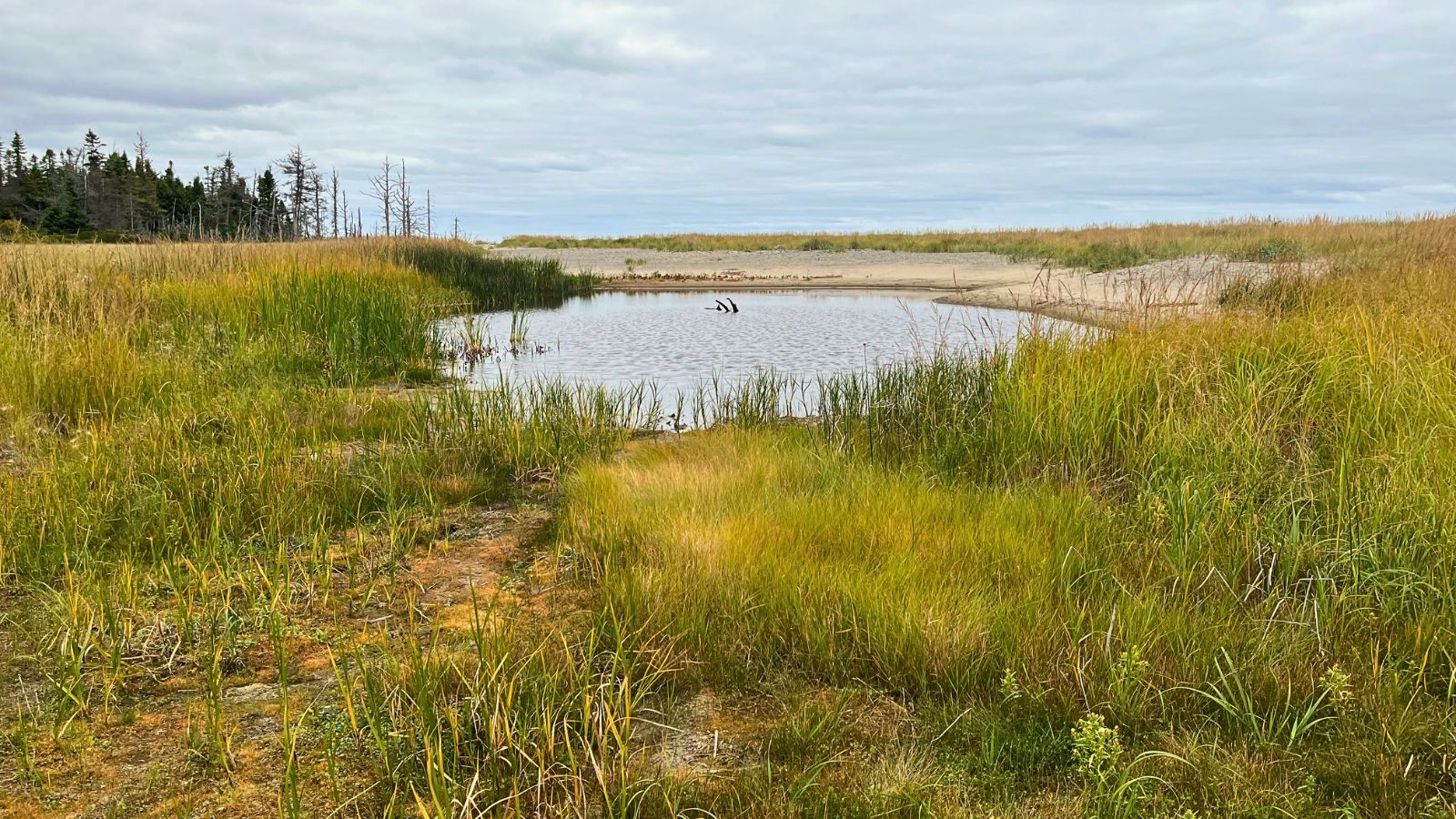
While this species is adapted to shifting coastal environments, it faces challenges. It cannot survive frequent exposure to saltwater or drought, yet it relies on storm waves to create the open, sandy conditions it requires to grow.
Threats
Sea-level rise and more frequent intense storms linked to climate change pose the greatest risks to this species. Severe storms can drastically alter coastal environments, making them unsuitable for the aster. Shoreline development has also contributed to significant habitat loss in the past.
Due to these threats, ongoing monitoring, habitat restoration, and conservation efforts are vital for the species' survival.
Reintroduction efforts in Kouchibouguac National Park
Kouchibouguac National Park was once home to the Gulf of St. Lawrence Aster. Since the late 1970s, the species was documented at three separate locations within the park. However, a series of severe storms in the early 2000s severely altered these sites, making them unsuitable for the plant. Despite extensive searches, the species was declared absent from the park in 2015.
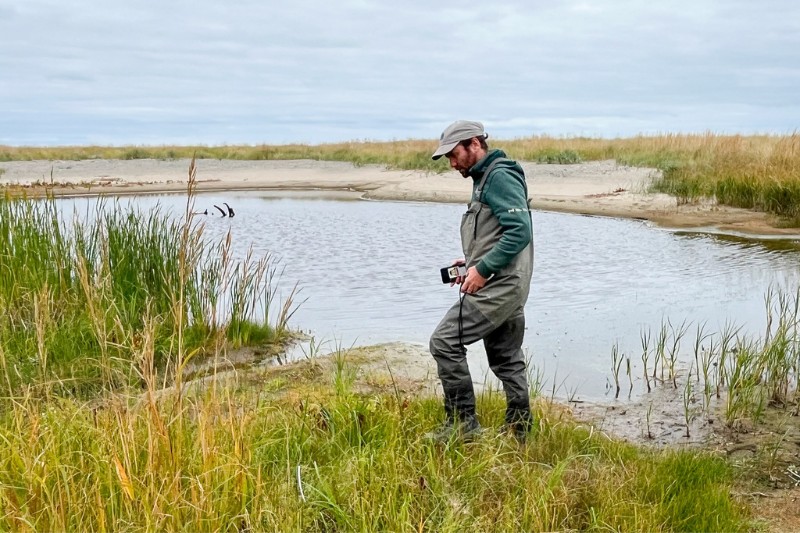
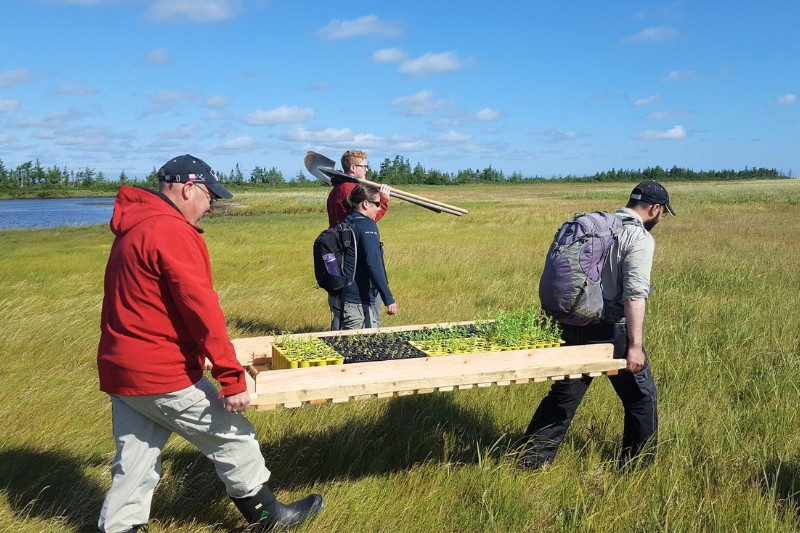
In 2016, Parks Canada partnered with the Atlantic Canada Conservation Data Centre and the University of Prince Edward Island to explore reintroduction options. The two-year project aimed to determine:
- Whether suitable habitat still existed in the park.
- Whether reintroduction was feasible and if it was cost-effective.
Successful results
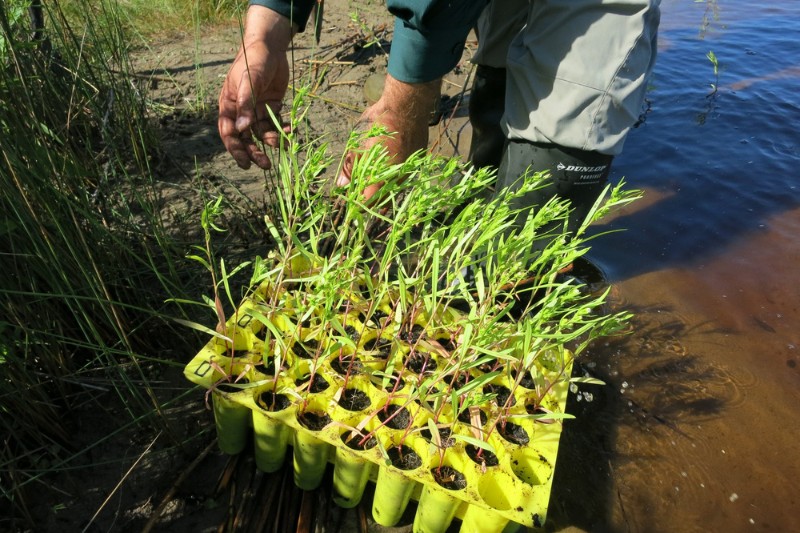
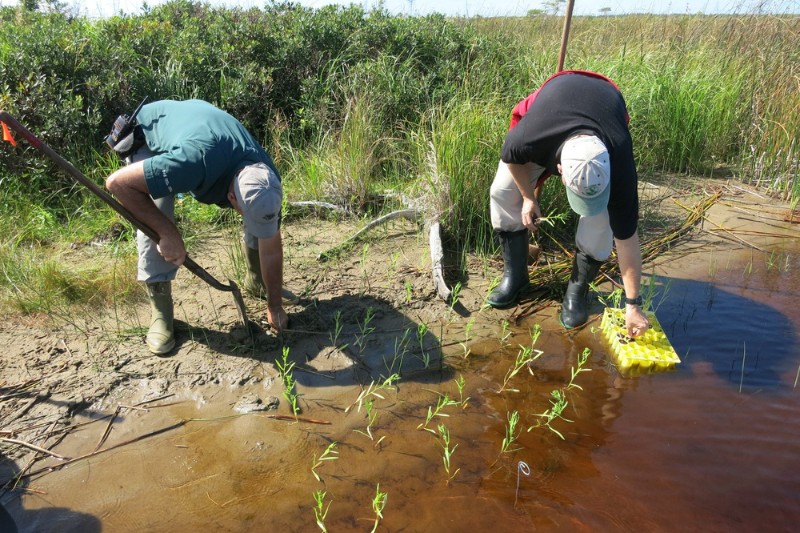
In 2016 and 2017, suitable habitat sites were identified, and numerous seeding and transplant plots were created. Results included:
- 55% of seeding plots produced plants in their first year.
- 16% of plots continued to produce substantial numbers of plants over three or four years.
- From 2016 to 2019, seeding plots produced approximately 5,500 mature plants.
- Transplanted plants had an average survivorship of 72%, with roughly 620 plants completing their life cycle.
These results confirmed that suitable habitat still exists in the park and that reintroduction is possible. After a 12-year absence, a self-sustaining Gulf of St. Lawrence Aster population appears to have been successfully restored in Kouchibouguac National Park.
Looking ahead
Knowledge gained from this project will guide future recovery efforts within the park and may support broader conservation strategies for the Gulf of St. Lawrence Aster throughout its range.
- Date modified :